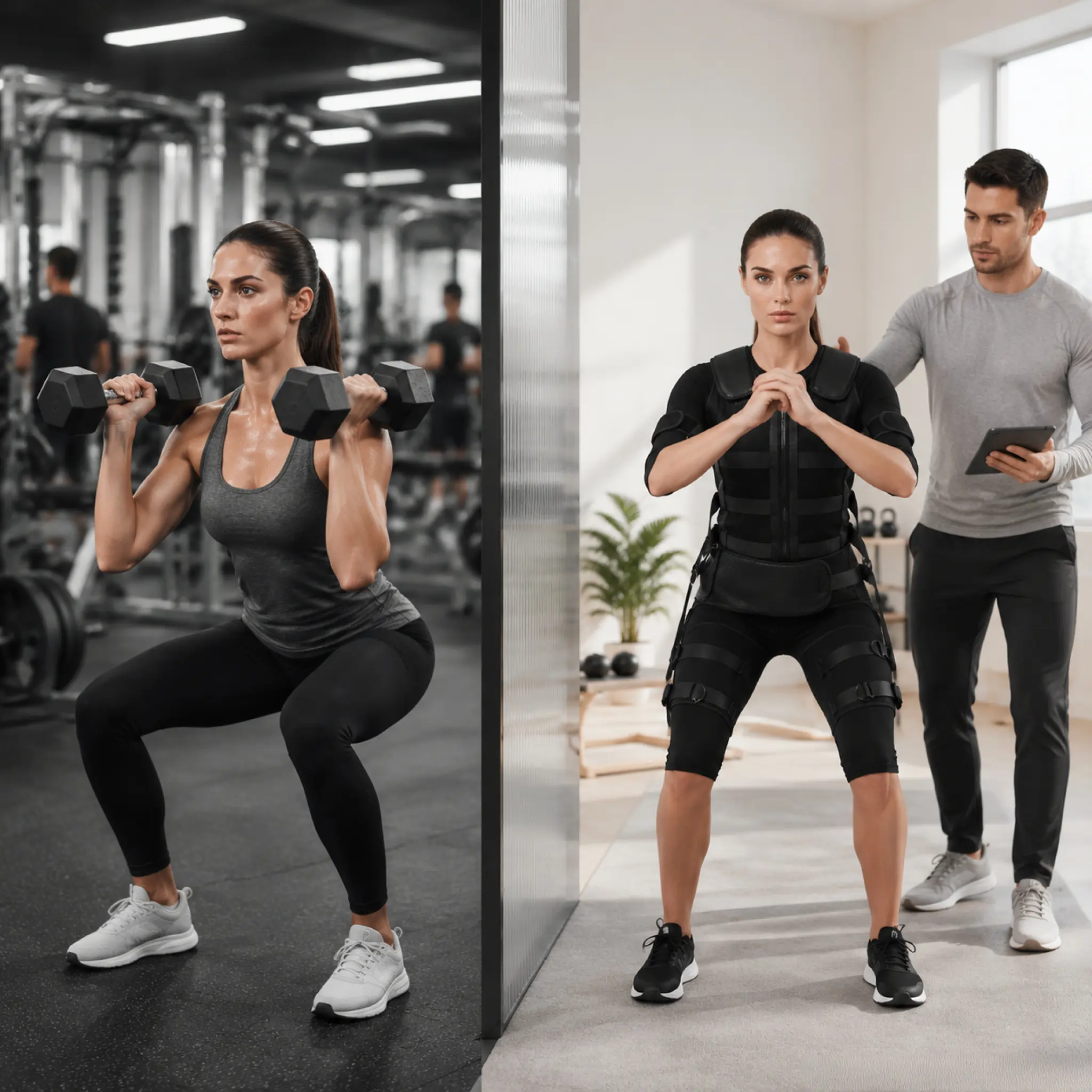
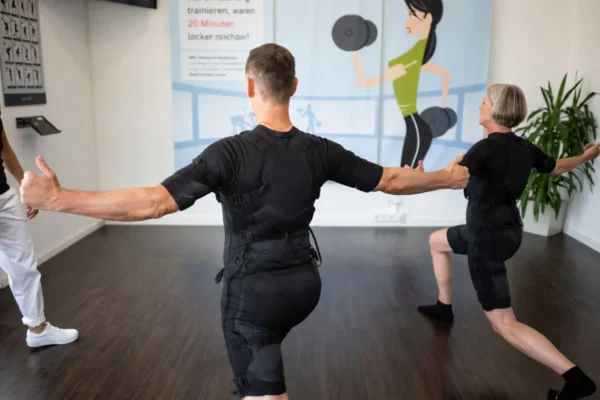
When it comes to building strength, there is no single training method that works for everyone. Some people prefer traditional strength exercises such as squats, deadlifts, and resistance training, while others focus on functional movements designed to improve strength, stability, mobility, and everyday performance.
So, where does EMS training fit into the picture?
Rather than replacing conventional exercise, Electrical Muscle Stimulation (EMS) can work as a complementary tool within a functional training program. In fact, when used correctly, EMS can help trainers create a more efficient and targeted training experience.
What Is Traditional Strength Training?
Traditional strength training usually relies on external resistance to challenge the muscles.
For example, exercises may include:
- Free-weight squats
- Bench presses
- Deadlifts
- Resistance machines
- Dumbbell exercises
- Barbell training
The principle is straightforward: muscles work against resistance, creating mechanical tension that encourages strength and muscle development over time.
Moreover, traditional resistance training offers an important advantage: it allows users to progressively increase the load. This makes it highly effective for developing maximum strength and muscle mass.
However, traditional exercises can sometimes be demanding on joints, equipment, and training time. Beginners may also need professional guidance to maintain proper movement patterns and technique.
How Is Functional Training Different?
Functional training takes a slightly different approach.
Instead of focusing only on how much weight a person can lift, it emphasizes movement quality and the ability to control the body through different movement patterns.
A functional workout might combine:
- Squatting and lunging
- Rotational movements
- Core stabilization
- Balance exercises
- Resistance bands
- Bodyweight movements
- Multi-joint exercises
In other words, the goal is not simply to make a muscle stronger. It is to help the body work more efficiently as a whole.
That is why functional training is widely used in fitness, sports conditioning, personal training, and movement-focused programs.
Where Does EMS Come In?
This is where EMS becomes particularly interesting.
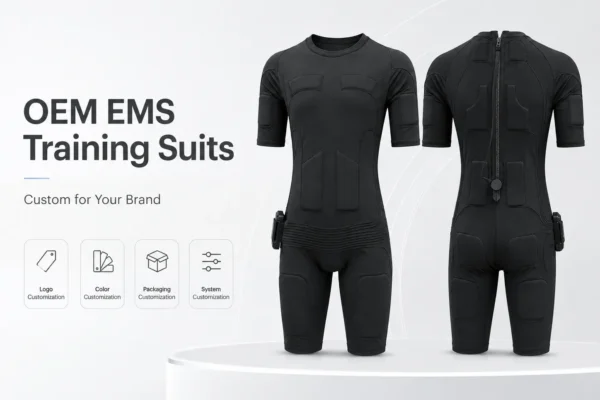
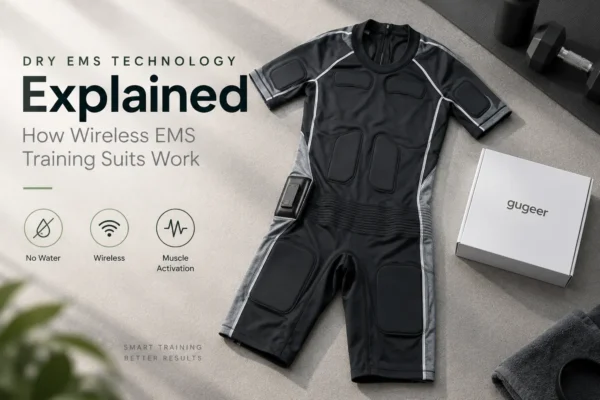
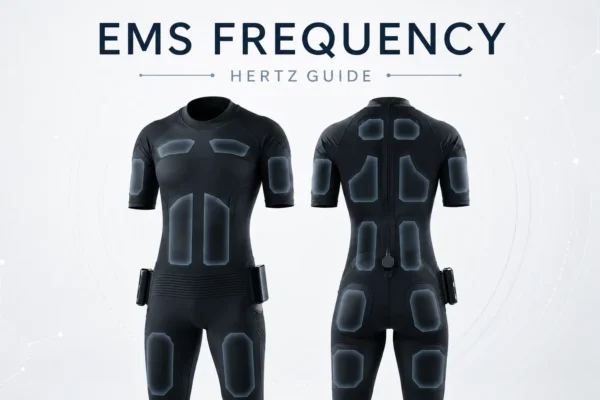
EMS uses controlled electrical impulses to stimulate targeted muscle groups. During an EMS session, electrodes placed on the body can activate multiple muscle areas while the user performs controlled movements.
Rather than thinking of EMS as a replacement for weights, it is more useful to view it as an additional stimulus during functional movement.
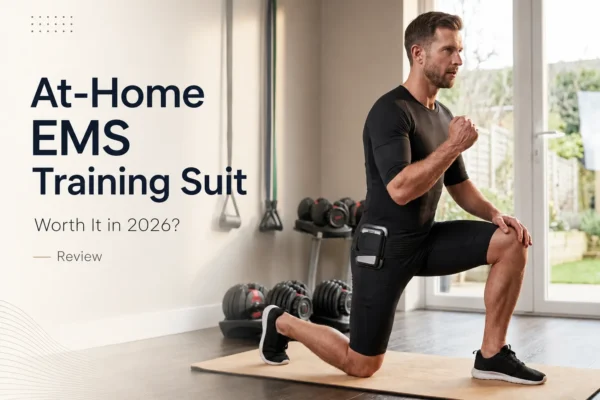
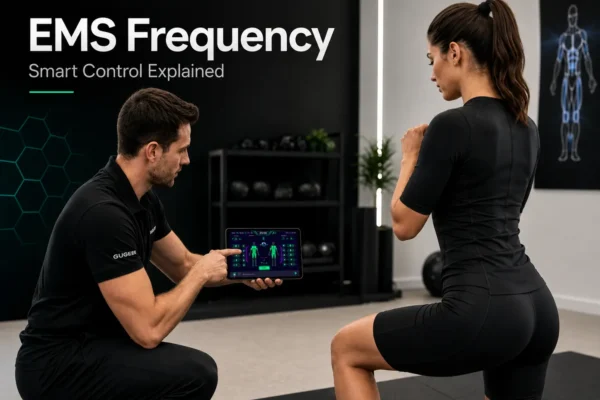
For example, a trainer might guide a client through squats, lunges, or core exercises while an EMS suit provides additional electrical stimulation to selected muscle groups.
As a result, the client is combining voluntary muscle contraction from movement with externally controlled stimulation.
This combination can make EMS a useful tool for trainers who want to create more targeted and time-efficient sessions.
EMS and Conventional Strength Training: A Practical Comparison
| Training Approach |
Main Focus |
Typical Equipment |
Key Advantage |
| Traditional Strength Training |
Resistance and progressive overload |
Weights, machines |
Excellent for building measurable strength |
| Functional Training |
Movement quality and coordination |
Bodyweight, bands, free weights |
Improves movement patterns and whole-body control |
| EMS-Assisted Training |
Muscle stimulation + movement |
EMS suit and control unit |
Adds targeted stimulation to functional exercise |
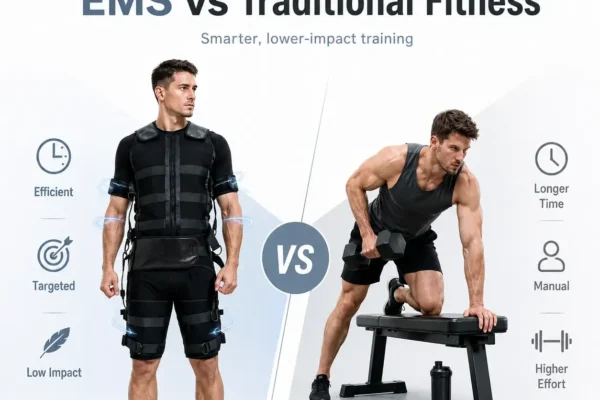
The important point is that these approaches do not necessarily compete with one another.
Instead, they can complement each other.
Traditional resistance training remains valuable for progressive loading. Functional exercise can improve coordination and movement efficiency. Meanwhile, EMS can provide an additional muscle stimulation component during selected exercises.
Why EMS Can Support Functional Training
There are several reasons why EMS can fit naturally into a functional training environment.
1. Targeted Muscle Activation
First of all, EMS allows stimulation to be directed toward specific muscle groups.
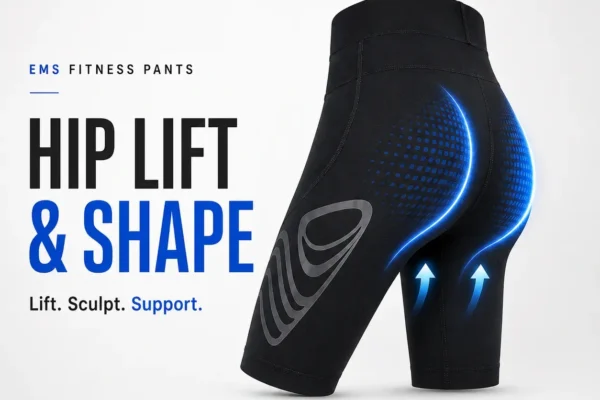
For example, depending on the suit design and electrode placement, stimulation can target areas such as the core, glutes, thighs, back, and upper body.
This can help trainers create more focused sessions while clients perform functional movements.
2. More Efficient Training Sessions
At the same time, EMS can make it possible to stimulate multiple muscle groups during a relatively short training session.
This is particularly attractive for personal training studios, boutique fitness centers, and professional users who value training efficiency.
However, efficiency should not be confused with replacing conventional exercise. Proper movement, training frequency, recovery, and progression still matter.
3. Low-Equipment Training
Another advantage is that EMS-assisted functional training does not necessarily require a large collection of weight machines.
A wireless EMS suit, for example, can be combined with bodyweight exercises, resistance bands, mobility drills, or light functional equipment.
Consequently, trainers can create flexible training environments without relying entirely on traditional gym equipment.
Which Method Is Better?
The answer depends on the goal.
If your primary objective is maximum strength and progressive overload, traditional resistance training remains essential.
If you want to improve movement patterns, balance, coordination, and whole-body performance, functional training can be highly effective.
If your goal is to add targeted electrical stimulation to movement-based exercise, EMS can serve as a valuable training accessory.
The Future of Strength and Functional Training
Today,fitness is becoming more personalized, and technology is creating new ways to train.
EMS is one of them. When used correctly, an EMS training suit can add targeted muscle stimulation while you perform active exercises.
EMS is a training tool, not a shortcut. Traditional strength training builds strength, functional training improves movement, and EMS can add extra stimulation to the workout.
Together, these methods can make training more flexible, targeted, and efficient.
Featured Commercial EMS Suits & Community
Looking for reliable wireless EMS gear for your studio? Check out our top products:
Follow us on Instagram and Facebook for new product news and factory updates!