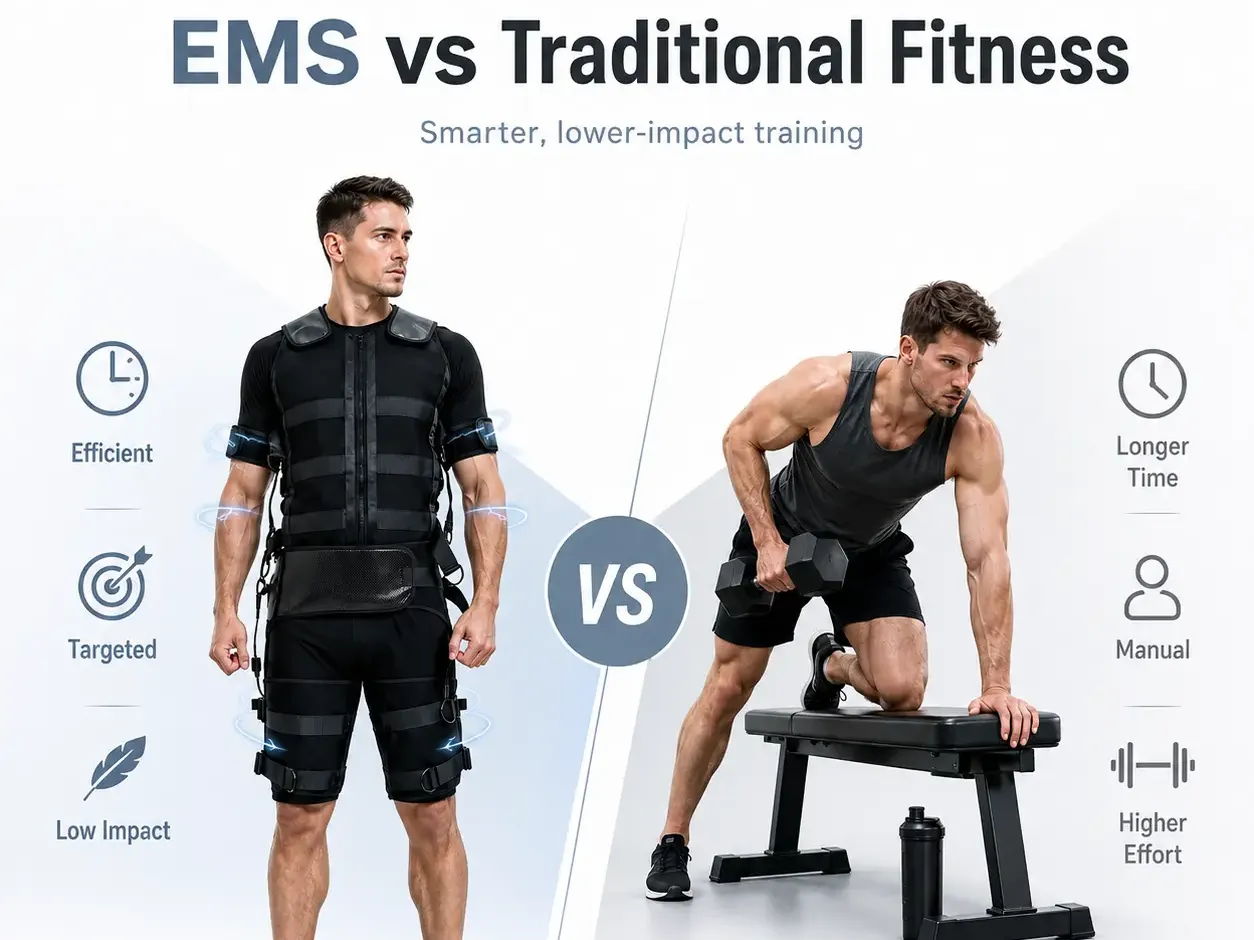
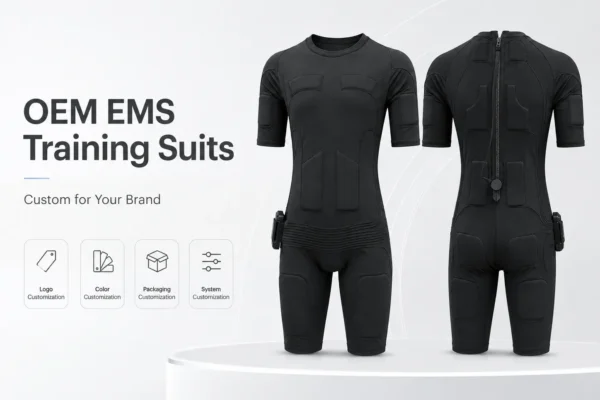
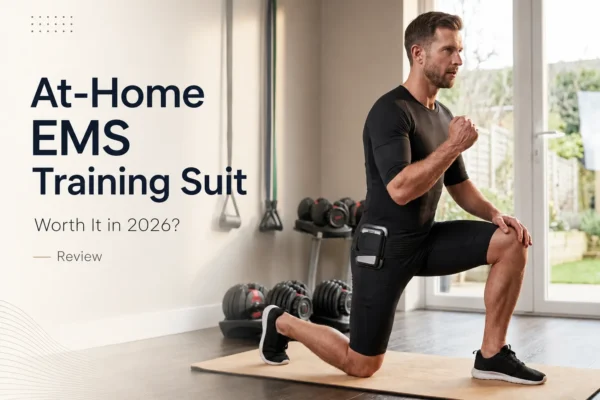
When picking equipment for a fitness studio, deciding between wireless vs wired EMS systems is a major choice. This technical guide compares both setups to help studio owners pick the best option for daily workouts.
Wireless EMS System Architecture
Modern wireless EMS systems use Bluetooth or radio signals to connect the control unit to the training suit.
Signal Protocol: Bluetooth 5.0+ or dedicated 2.4GHz radio
Latency: 10 to 50ms (hard to notice during workouts)
Signal Range: 10 to 30 meters depending on room layout
Battery Life: Battery-operated suits with 4 to 12 hours of run time
Wired EMS System Architecture
Traditional wired EMS systems use direct physical cables between the machine and suit.
Connection Type: Heavy-duty cables with quick-connect fittings
Signal Quality: Zero latency with guaranteed signal delivery
Power Source: Direct plug-in power from a wall outlet
Cable Care: Needs careful wire routing to avoid tangling
Wireless vs Wired EMS Operational Comparison
To see how both options perform in a real studio, let’s compare key operational factors:
Factor
Wireless EMS Systems
Wired EMS Systems
User Mobility
Full freedom of movement
Restricted by cable length
Setup Time
Fast (suit + app connection)
Moderate (suit + cable plug-in)
Maintenance
Battery charging and care
Cable checks and wire repairs
User Capacity
Multiple users at once
1 to 2 users per station
Initial Cost
Higher upfront cost per user
Lower upfront cost per station
Studio Layout for Wireless vs Wired EMS Technology
For commercial fitness studios, wireless EMS systems offer clear operational advantages:
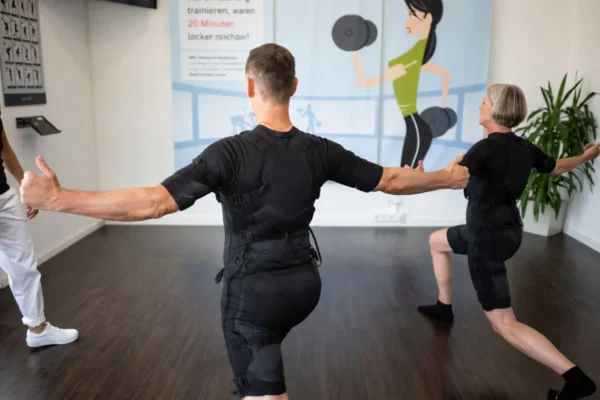
Group Fitness: Run classes with multiple clients at the same time.
Functional Drills: Combine EMS with active floor work and heavy gym tools.
Outdoor Classes: Train clients outside without needing power outlets.
Safer Spaces: Remove tripping hazards from loose floor cables.
Faster Prep: Speed up client turnover between back-to-back training sessions.
Reliability in Wireless vs Wired EMS Systems
Modern wireless systems fix old signal loss issues through smart tech:
Frequency Hopping: Prevents signal interference in busy multi-user gyms.
Auto Reconnect: Reconnects instantly if signal drops for a second.
Safety Systems: Auto cutoff prevents unintended electrical impulses.
Battery Tracking: Live battery monitors prevent mid-workout shutoffs.
Hybrid Wireless vs Wired EMS Studio Setup
Some commercial centers use a hybrid model to get the best of both worlds:
Wireless Suits: Used for active group classes and functional workouts.
Wired Stations: Used for focused physical therapy and targeted rehab.
Backup Option: Wired connections act as a backup during system updates.
For most modern fitness studios, wireless EMS systems offer superior flexibility. They justify their higher initial cost through faster setup, better workout options, and higher client satisfaction.
Featured Commercial EMS Suits & Community
Looking for reliable wireless EMS gear for your studio? Check out our top products: