How easily does an EMS suit fit into a training session? Can a trainer adjust the settings quickly? And what support is available after the equipment arrives?
These practical questions help explain the direction of the global EMS industry. Looking at current products and services, five developments stand out for gyms, distributors, and fitness brands.
1. Wireless Suits Make Movement Easier
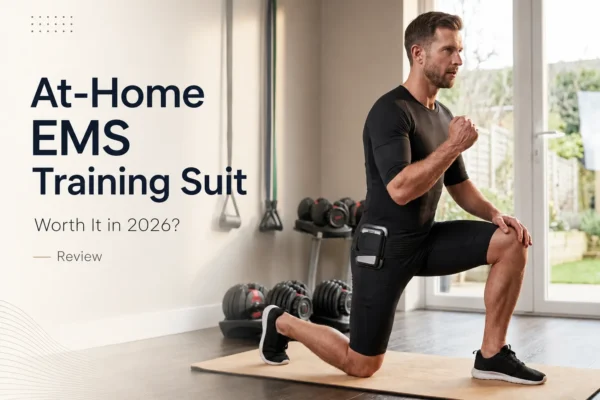
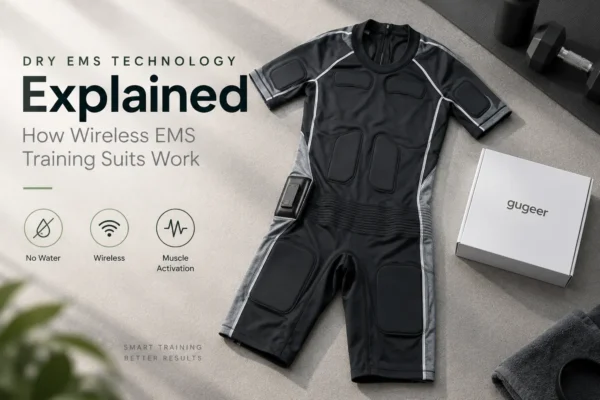
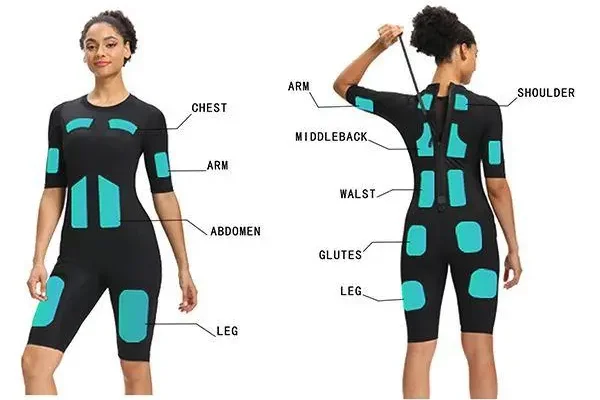
Wireless EMS suits give users more freedom to move without an external cable connecting them to a training station. Products with dry electrodes and app-based controls are already available for studio and home use.
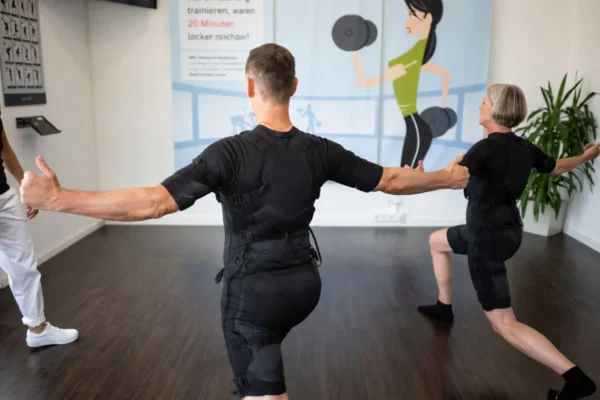
For trainers, this flexibility can make it easier to include movements such as squats and arm raises in a session. However, wireless does not always mean dry: some systems still require electrode preparation before training.
That’s why buyers should look beyond connectivity. A suit also needs to fit comfortably, maintain reliable electrode contact, and be practical to clean between sessions.
2. App Control Brings Settings Within Reach
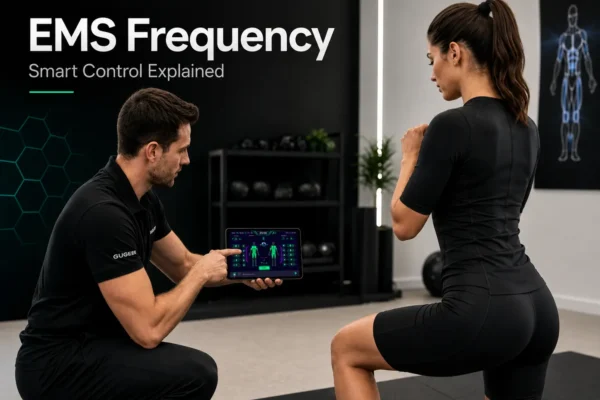
Alongside changes in suit design, software is becoming part of the training experience. App-controlled systems already allow users or trainers to adjust stimulation settings through a familiar screen.
From there, features such as saved preferences, session records, and user profiles offer useful possibilities. For example, a trainer could review a client’s previous settings before discussing how the last session felt.
Even so, data only tells part of the story. Trainers still need to observe movement, listen to feedback, and adjust the session to the individual.
3. The Focus Extends to Long-Term Muscle Health
Beyond everyday fitness, EMS brands are also discussing muscle function and healthy aging. Some professional suppliers now highlight age-related muscle loss among their application areas. This shows interest in supporting muscle health over time, although it does not mean every EMS product delivers the same benefits.
As these applications develop, businesses need to be clear about what their equipment is designed to do. Fitness training and medical rehabilitation have different requirements. The FDA, for instance, notes that many EMS devices it has reviewed are intended for rehabilitation under professional supervision. Source: FDA
For buyers, the starting point is therefore simple: match the product’s intended use and supporting evidence to the service you plan to offer.
4. Reliable Support Helps Studios Run Smoothly
Once equipment reaches a studio, everyday details start to matter. Staff need to fit the suits, operate the controls, clean the garments, and keep sessions running on schedule.
For this reason, training and after-sales support deserve attention during purchasing. Clear instructions and responsive technical help can make it easier for a team to handle questions or equipment problems.
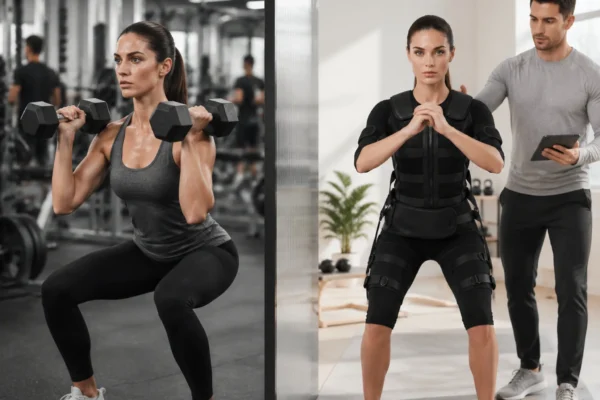
The same practical approach should carry into marketing. Rather than promising promising promising dramatic results from the suit alone, explain how EMS fits into a structured training routine. The FDA cautions that using EMS devices alone will not produce major changes in appearance without diet and regular exercise.
5. Custom EMS Products Need to Work as a Complete System
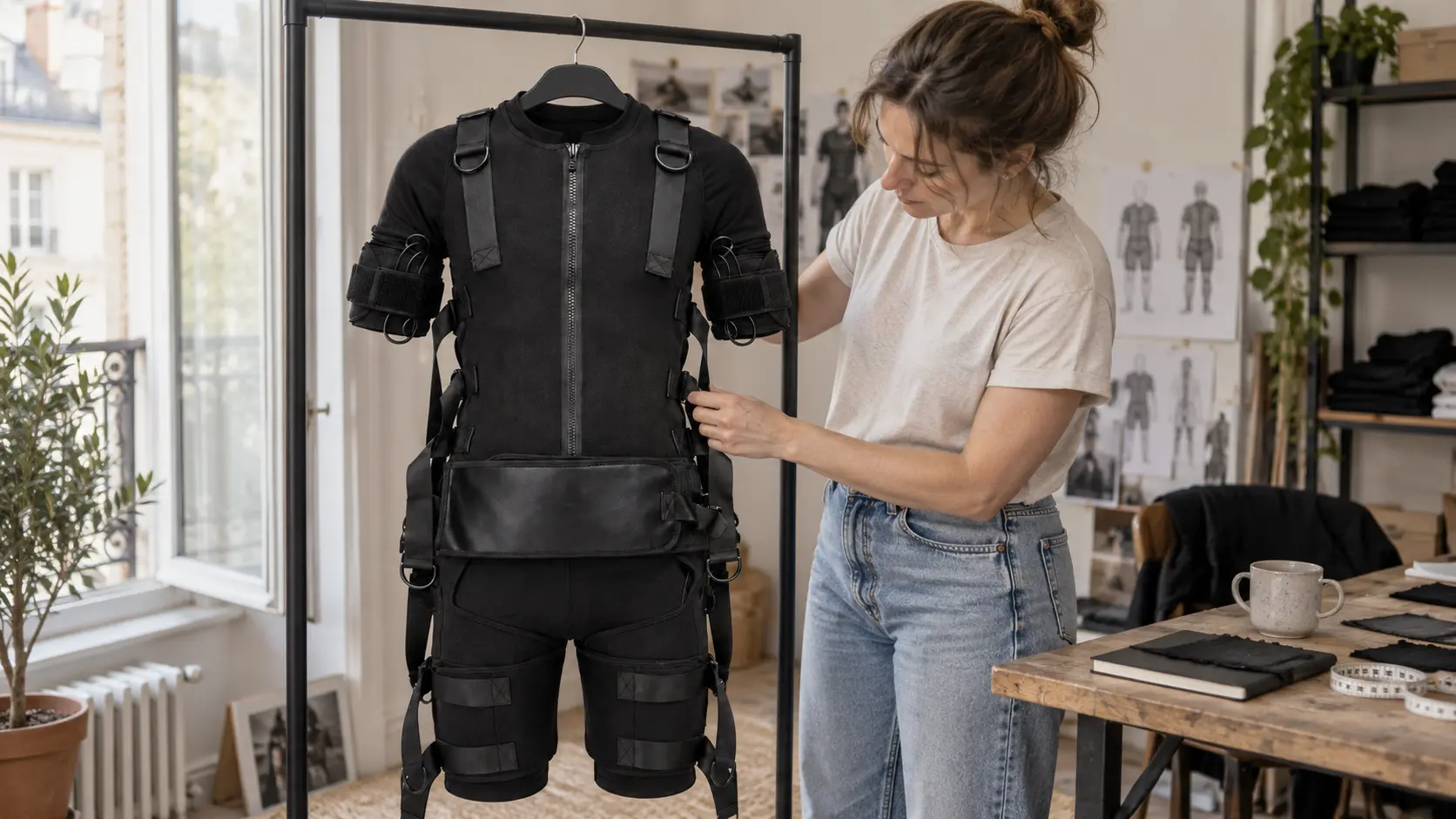
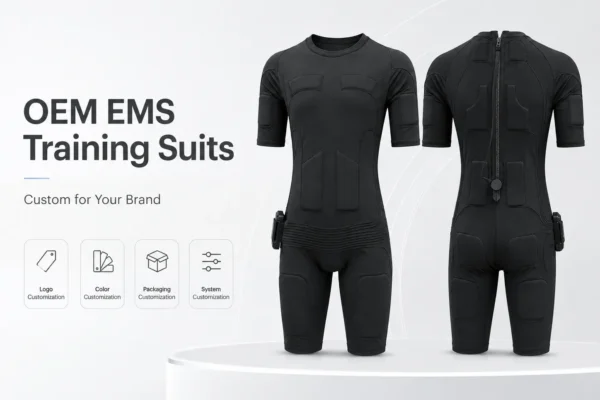
For brands developing an EMS product, customization can extend from garment sizing and fabrics to electrode layout, controls, and packaging.
However, these choices need to work together. A well-designed suit should fit the intended user, while its controls and instructions should make operation easy to understand.
Before starting an OEM or ODM project, it helps to define who will use the product and where. A busy studio, for example, may prioritize quick fitting and easy cleaning. Those needs can then guide discussions with the manufacturer about design, production, and ongoing support.
What Comes Next?
Taken together, these developments suggest that the next stage of global EMS will depend on how well products work in everyday use. Comfortable suits, clear controls, and dependable support give fitness businesses a practical foundation for building their EMS services.