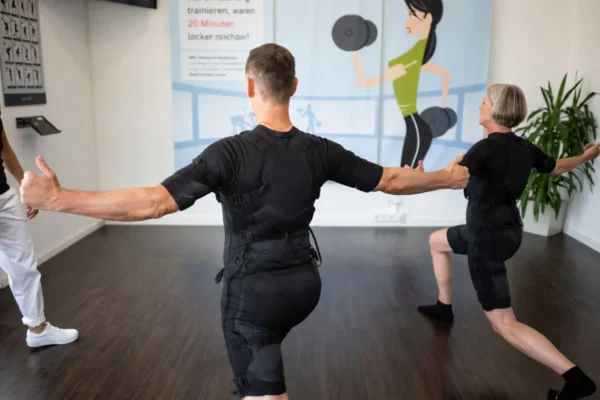
Correct EMS electrode placement is important for good muscle stimulation.
Even a powerful EMS device may not work well if the electrodes are in the wrong place. Poor placement can lead to weak muscle contraction or uneven stimulation.
So, where should EMS electrodes go?
This guide explains the basic rules for common muscle groups.
Why EMS Electrode Placement Matters
EMS sends electrical pulses through electrodes to the muscles.
For better stimulation, the electrodes should sit over the target muscle area.
Correct placement can help:
- Improve muscle activation
- Create more even stimulation
- Reduce the need for very high intensity
- Improve training comfort
The exact position can be different for each person. Muscle size and body shape can affect the best location.
What Is a Muscle Motor Point?
A motor point is an area where the muscle responds well to electrical stimulation.
Placing an electrode close to this area can create a stronger muscle response with less current.
For this reason, professional EMS training often focuses on both the muscle belly and the motor point.
Basic EMS Electrode Placement Rules
A simple rule is to place electrodes over the main part of the muscle.
Avoid placing them directly on joints or areas with very little muscle.
Also make sure both sides of the body are placed in a similar position.
EMS Electrode Placement for Quadriceps
For thigh training, electrodes usually cover the front thigh muscles.
Key areas include:
- Outer thigh
- Inner thigh
- Front thigh
Place the electrodes over the main muscle area rather than close to the knee.
This helps create more balanced stimulation across the quadriceps.
EMS Electrode Placement for Glutes
For glute training, electrodes should cover the main part of the glute muscles.
They should stay on the muscle area and away from the hip joint.
Good contact is especially important during squats, lunges, and other lower-body exercises.
EMS Electrode Placement for Abs
For abdominal EMS training, electrodes are usually placed on both sides of the abdominal muscles.
Keep the placement balanced.
The exact position may need small changes because abdominal muscle shape is different for each person.
EMS Electrode Placement for Arms
For biceps training, place the electrodes over the main part of the upper-arm muscle.
Avoid placing them too close to the elbow or shoulder joint.
The goal is to keep the stimulation focused on the muscle belly.
Common EMS Electrode Placement Mistakes
Several simple mistakes can reduce EMS training quality.
Placing Electrodes Too Close to Joints
Knees, elbows, and other joints have less muscle tissue.
Move the electrode toward the main muscle area.
Poor Skin Contact
EMS needs stable contact between the electrode and the body.
Before training:
- Keep the skin clean
- Avoid too much lotion or oil
- Make sure the electrode fits closely
- Follow the correct wet or dry EMS method
Poor contact can make stimulation feel weak or uneven.
Using the Same Position for Everyone
A standard body chart is useful, but it is only a guide.
Muscle size, body shape, and training experience are different for each user.
Small placement changes may improve the result.
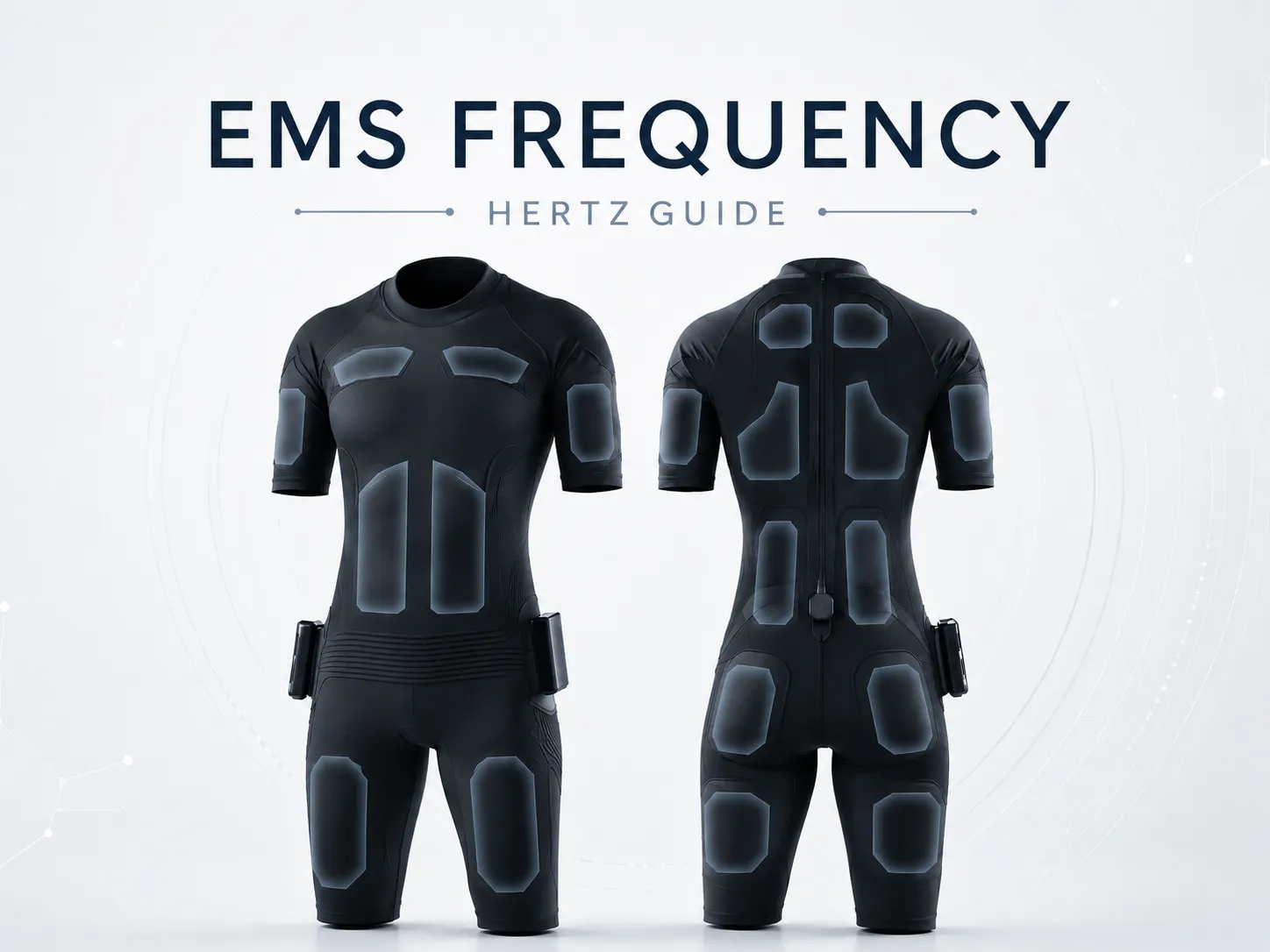
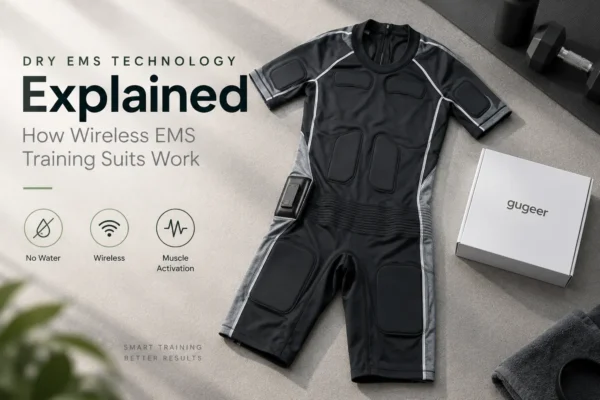
EMS Suit Electrode Placement
A full-body EMS suit is different from traditional adhesive EMS pads.
The electrodes are built into the garment.
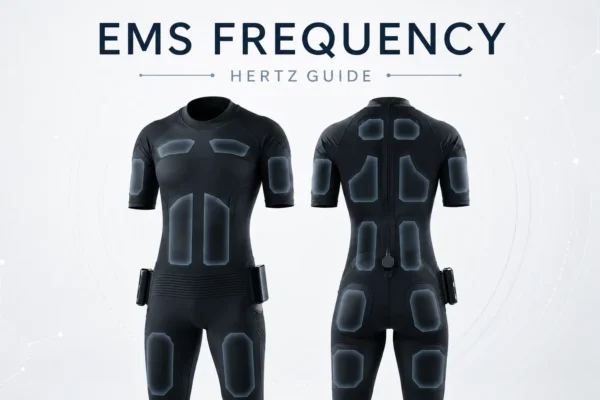
A professional EMS suit usually covers areas such as:
- Chest
- Back
- Abs
- Glutes
- Arms
- Thighs
The suit should fit closely so the electrode zones stay over the correct muscles.
This is why good EMS suit design is important.
Stable contact, correct electrode size, and good garment fit can all affect training quality.
How to Improve EMS Contact Before Training
A few simple steps can help.
First, make sure the EMS suit or electrodes fit the body well.
Next, start with a comfortable intensity.
Increase the level slowly instead of using very high power at the beginning.
A short warm-up can also help prepare the muscles.
For wet EMS systems, follow the correct moisture instructions. Dry EMS systems do not require the same preparation.
Quick EMS Electrode Placement Checklist
Before training, check:
- Are the electrodes over the target muscles?
- Is the contact stable?
- Is the placement balanced on both sides?
- Does the stimulation feel even?
- Is the intensity comfortable?
If the stimulation feels weak or uneven, adjust the electrode position before increasing the intensity.
Better Placement, Better EMS Training
Good EMS electrode placement is one of the most important parts of EMS training.
The goal is not simply to use more power.
The goal is to stimulate the correct muscle area with stable and comfortable contact.
For EMS suits, good electrode design can also make setup faster and easier.
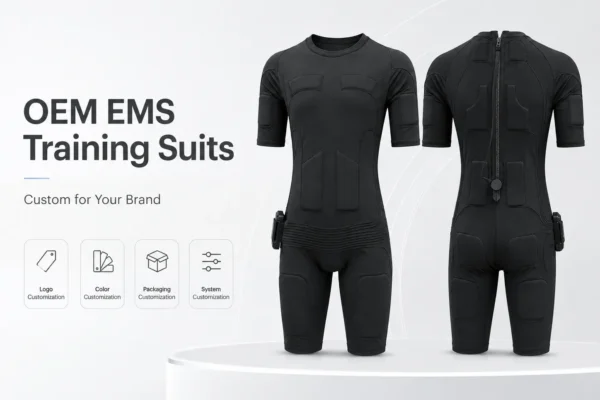
Gugeer EMS training systems use integrated electrode zones for major muscle groups. We also support OEM and ODM solutions for fitness studios, distributors, and EMS brands.
Featured Commercial EMS Suits & Community
Looking for reliable wireless EMS gear for your studio? Check out our top products:
Follow us on Instagram and Facebook for new product news and factory updates!