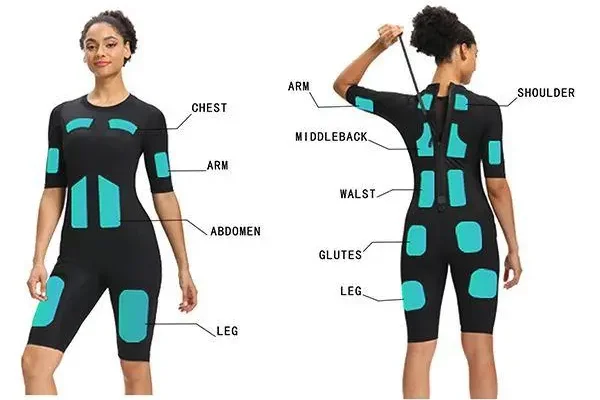
How Technology, Personalization and Smart Training Solutions Are Shaping the Future of EMS Fitness
The global fitness industry is undergoing a major transformation.
Consumers are no longer only looking for traditional gym workouts. They are increasingly seeking efficient, personalized, technology-driven training solutions that fit modern lifestyles.
Electrical Muscle Stimulation (EMS) training is becoming an important part of this evolution.
Once considered an innovative fitness concept focused on short training sessions, EMS has developed into a more professional training solution used by fitness studios, personal trainers, rehabilitation facilities, and wellness centers around the world.
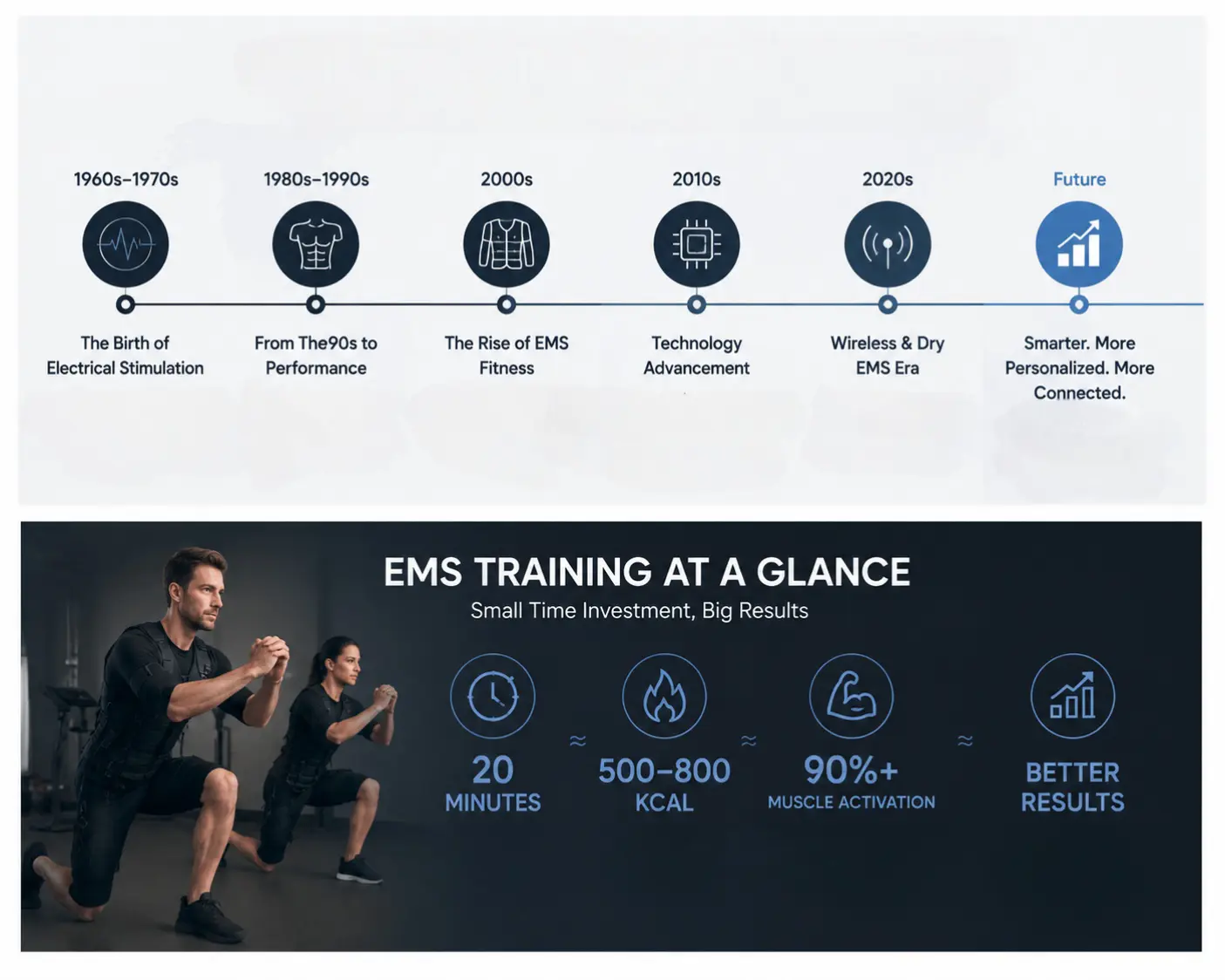
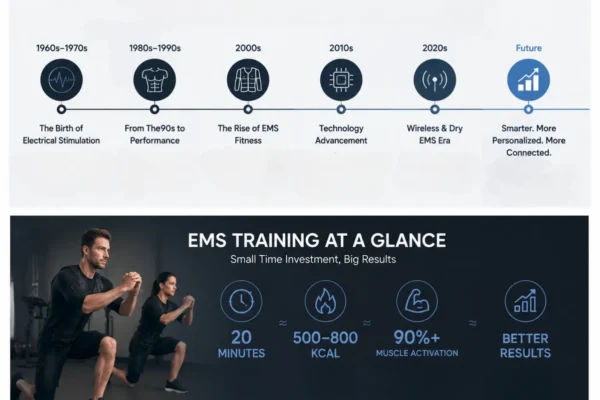
Today, the EMS industry is entering a new stage of development — a professional era driven by technology, better user experience, and smarter training systems.
From a Fitness Trend to a Professional Training Solution
When EMS training first entered the commercial fitness market, its biggest attraction was simple:
Effective muscle activation in a short period of time.
The concept quickly gained attention because it addressed a common challenge in modern society:
People want better fitness results, but they have less time available for training.
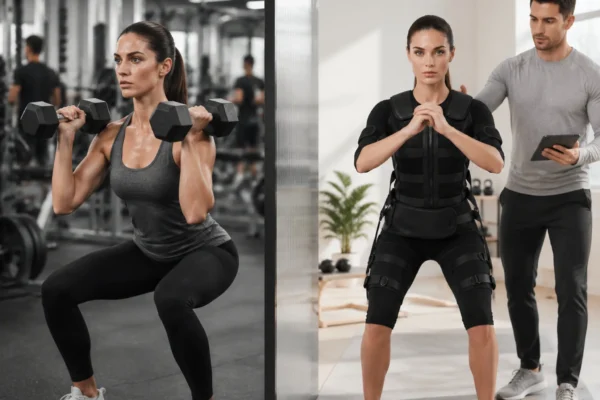
A typical EMS session can activate multiple muscle groups simultaneously under professional guidance, making it an attractive option for time-efficient training.
However, as the market has matured, expectations have changed.
Today’s EMS customers are no longer satisfied with only a short workout experience.
They expect:
- Professional coaching
- Comfortable equipment
- Personalized intensity adjustment
- Scientific training programs
- Reliable technology
This shift has pushed EMS from a “fitness trend” toward a more structured and professional training method.
Global Fitness Trends Are Creating New Opportunities for EMS
The growth of EMS is closely connected with several major changes in the global fitness industry.
Time-Efficient Training Demand Is Increasing
Modern consumers are increasingly balancing work, family, and personal health.
Short but effective training solutions are becoming more attractive, especially among:
- Professionals with busy schedules
- Urban consumers
- Fitness beginners
- Health-conscious users
EMS fits this demand by offering a structured training experience within a limited timeframe.
Personalized Fitness Is Becoming the New Standard
The traditional “one workout for everyone” approach is changing.
Today, users expect training programs designed around:
- Individual fitness goals
- Physical condition
- Training experience
- Lifestyle needs
EMS technology naturally supports this trend because stimulation intensity, training duration, and programs can be adjusted according to individual requirements.
The future of EMS is not simply stronger stimulation — it is smarter and more personalized training.
Technology Innovation Is Driving the Next Generation of EMS Systems
As the EMS market becomes more professional, equipment technology is also evolving.
Modern EMS systems are focusing on improving:
- User comfort
- Training flexibility
- Studio efficiency
- Data management
Several key technology trends are shaping the future of EMS.
Wireless EMS Systems: Improving Training Freedom and User Experience
Traditional wired EMS systems helped establish the EMS training model, but they also created limitations.
Cable connections may restrict movement and make training sessions more complex, especially in commercial fitness environments.
Wireless EMS technology is changing this experience.
Advantages include:
Greater Freedom of Movement
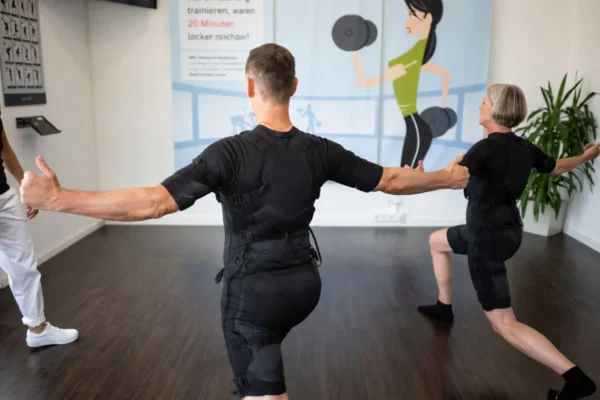
Users can perform more natural movements such as:
- Squats
- Lunges
- Functional exercises
- Mobility training
without being restricted by cables.
Better Studio Operation
For EMS studios, wireless systems can improve:
- Training preparation speed
- Customer experience
- Coach efficiency
This makes wireless EMS technology especially suitable for modern boutique fitness studios and scalable EMS businesses.
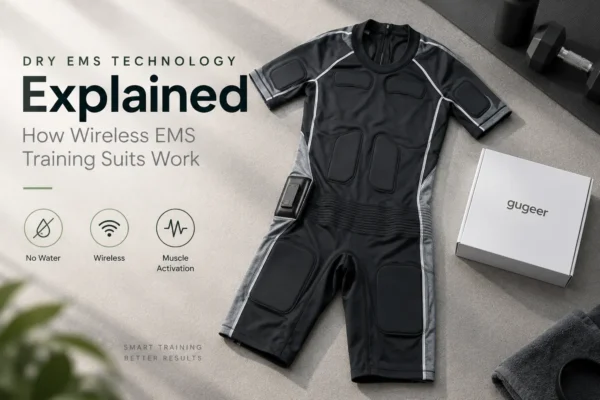
Dry EMS Technology: A More Efficient Solution for Commercial Training
Another important industry development is the rise of dry EMS technology.
Traditional EMS training often requires water application to improve conductivity between electrodes and skin.
Although effective, this method creates operational challenges:
- Additional preparation steps
- Extra cleaning requirements
- Less convenient customer experience
Dry EMS solutions aim to simplify the training process by reducing preparation time and improving daily usability.
For commercial EMS operators, this means:
- Faster client turnover
- Easier hygiene management
- Improved customer comfort
- More efficient studio operation
As EMS businesses continue to professionalize, operational efficiency is becoming an increasingly important competitive factor.
EMS Applications Are Expanding Beyond Traditional Fitness
Another major trend is the expansion of EMS into different professional fields.
EMS is no longer limited to fitness studios.
Its applications are growing in areas such as:
Sports Performance
Athletes and coaches use electrical stimulation technologies as part of broader training and recovery strategies.
Potential applications include:
- Muscle activation
- Training support
- Recovery programs
Rehabilitation and Physical Therapy
EMS technology has long been researched and used in rehabilitation environments.
Professional facilities may integrate EMS as part of supervised programs designed to support muscle activation and functional training.
Wellness and Healthy Aging
With increasing global attention on healthy aging, maintaining muscle function has become a major health priority.
EMS provides another tool for professionals working with customers who want to maintain an active lifestyle.
Smart EMS: The Future of Data-Driven Training
The next generation of EMS will be closely connected with digital technology.
Future EMS systems are expected to integrate more intelligent features, including:
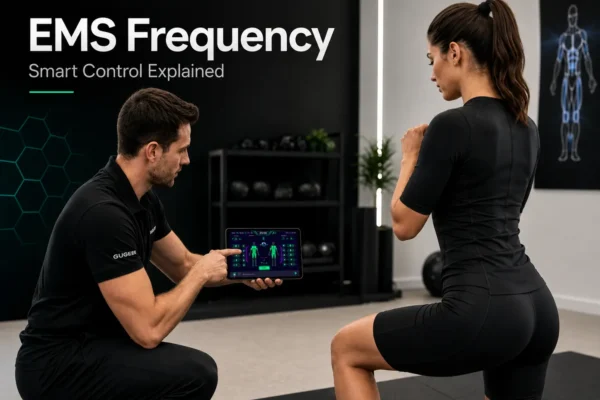
Smart Control Systems
Allowing coaches to manage training parameters more efficiently.
Mobile Applications
Helping users track training history and progress.
Digital Customer Management
Supporting EMS studios with:
- Client records
- Training plans
- Service management
Data-Based Personalization
Using collected information to create more customized training experiences.
The combination of EMS and digital technology will help transform EMS from a simple stimulation device into a complete training ecosystem.
What Professional EMS Businesses Need From Equipment Manufacturers
As the EMS industry becomes more competitive, businesses are looking for more than just equipment suppliers.
They need reliable technology partners.
Professional EMS solutions should provide:
Product Reliability
Stable performance for daily commercial use.
Flexible Customization
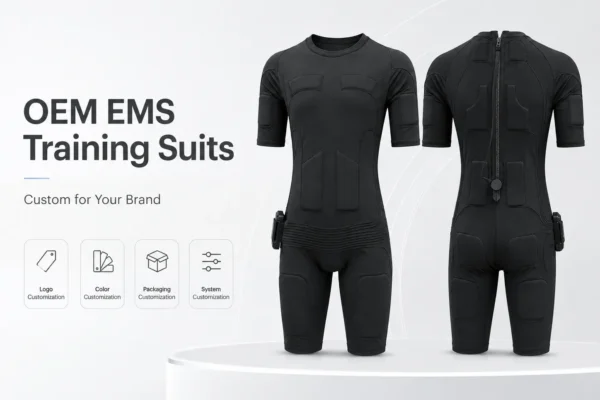
OEM and ODM capabilities to meet different market requirements.
User-Friendly Design
Equipment that improves both coach operation and customer experience.
Long-Term Support
Technical assistance and continuous product development.
For global EMS brands, distributors, fitness studios, and rehabilitation providers, choosing the right manufacturing partner is becoming increasingly important.
The Future of EMS Training: Smarter, More Professional and More Connected
The global EMS training industry is moving into a new professional era.
The future of EMS will not be defined only by short workout times.
It will be shaped by:
- Advanced technology
- Wireless solutions
- Better user experience
- Personalized training
- Professional service models
As fitness and health industries continue to evolve, EMS will play an increasingly important role as a bridge between technology, exercise, and personalized wellness.
For EMS equipment manufacturers and professional operators worldwide, the opportunity is clear:
The next generation of EMS training will be smarter, more efficient, and more focused on delivering real value to users.