For decades, traditional strength training has been the foundation of fitness. Weightlifting, resistance machines, and bodyweight exercises have helped millions of people build strength, improve body composition, and maintain health.
However, modern lifestyles are changing. Long working hours, limited training time, and the increasing demand for efficient fitness solutions have pushed the industry to explore new technologies.
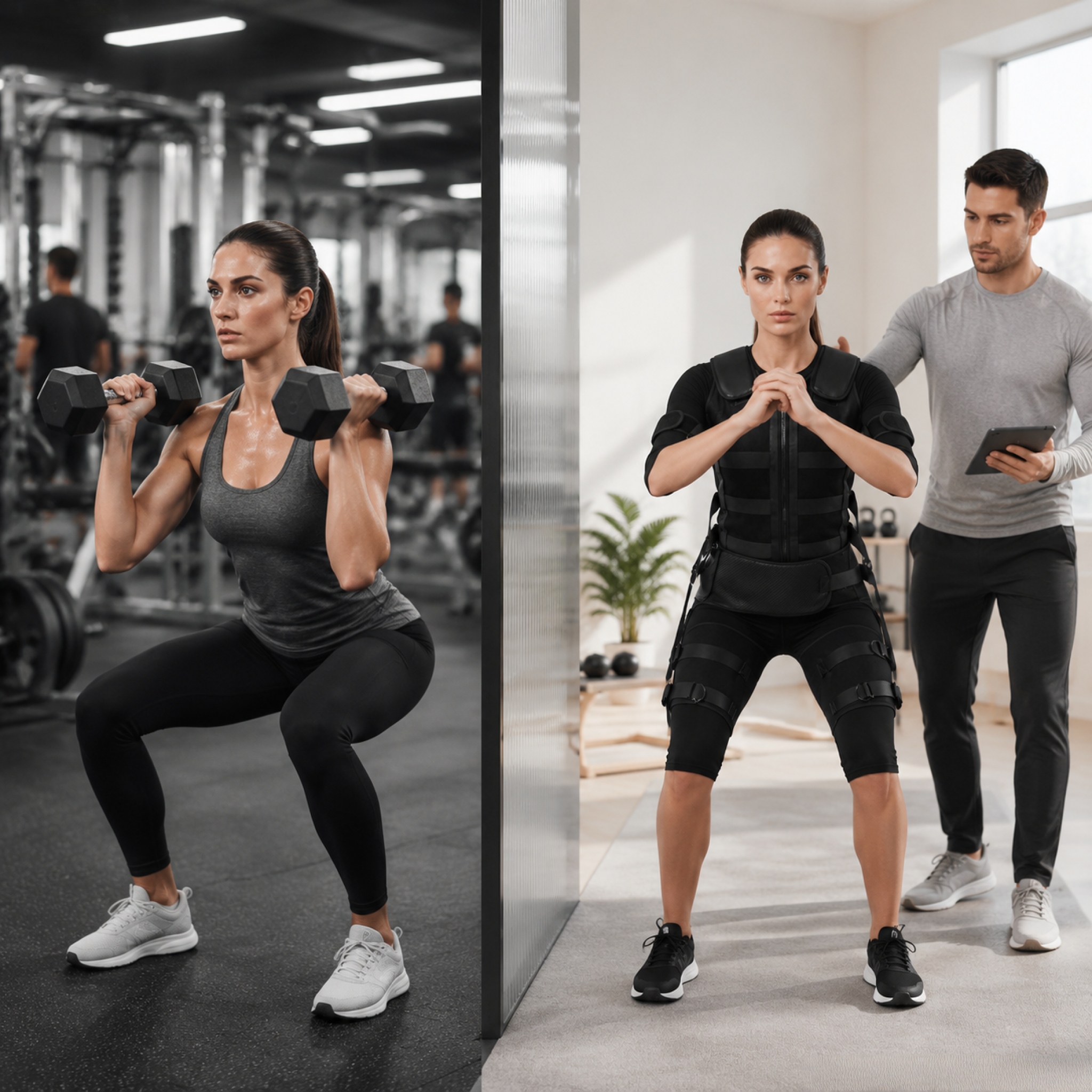
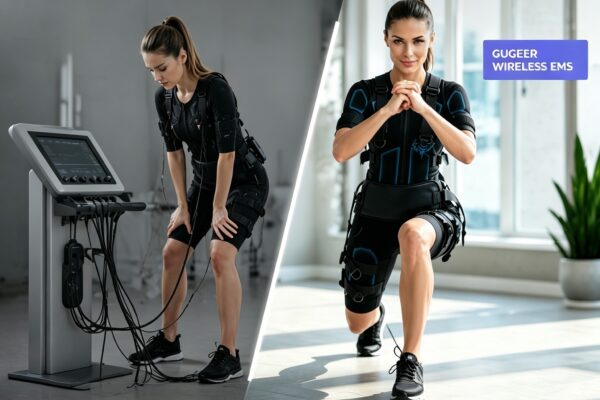
Whole-body EMS (Electromyostimulation) training has emerged as one of the most discussed innovations in the fitness industry. By combining electrical muscle stimulation with controlled movements, EMS offers a different approach to muscle activation and training efficiency.
But does EMS really provide advantages compared with traditional workouts? The answer is not that EMS replaces traditional training completely — rather, it provides a highly efficient alternative for specific training goals and user groups.
EMS Activates More Muscle Groups Simultaneously
Traditional training usually relies on voluntary muscle contraction. When performing a squat, push-up, or weightlifting movement, the brain sends signals through the nervous system to activate muscles.
EMS training adds another layer: external electrical impulses stimulate motor nerves, creating additional muscle contractions while the user performs movements.
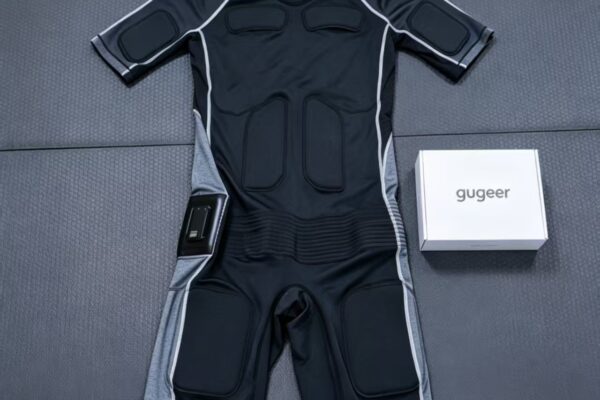
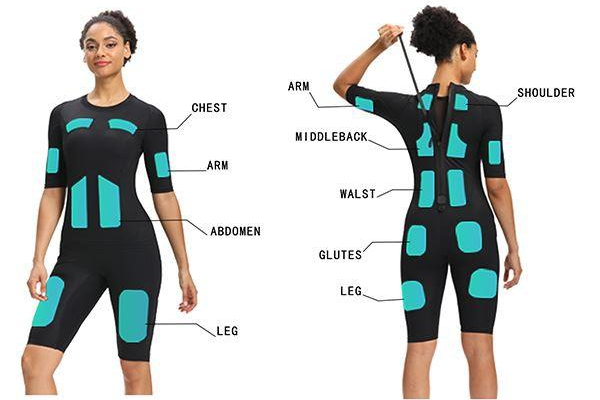
A full-body EMS suit typically covers major muscle areas including:
- Chest
- Back
- Abdomen
- Glutes
- Thighs
- Arms
This allows multiple muscle groups to be stimulated at the same time during simple functional movements.
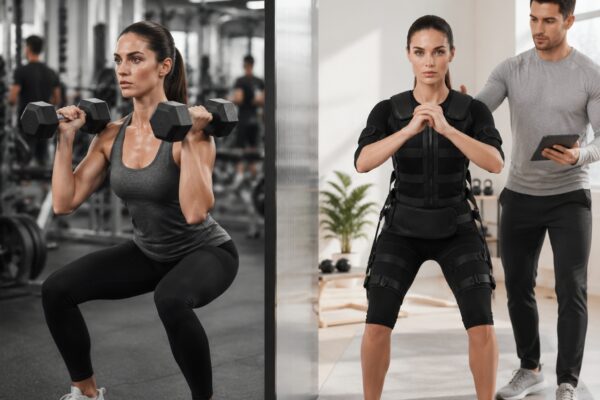
Compared with traditional gym training, where users often focus on one or several muscle groups per exercise, EMS creates a more comprehensive full-body stimulation pattern.
Scientific studies describe whole-body EMS as a method that combines electrical stimulation with voluntary exercise, helping activate large muscle groups through externally induced contractions.
EMS Saves Significant Training Time
One of the biggest advantages of EMS training is efficiency.
A traditional strength workout often includes:
- Warm-up: 10 minutes
- Strength exercises: 40–60 minutes
- Cool-down/stretching: 10 minutes
A complete session can easily take more than one hour.
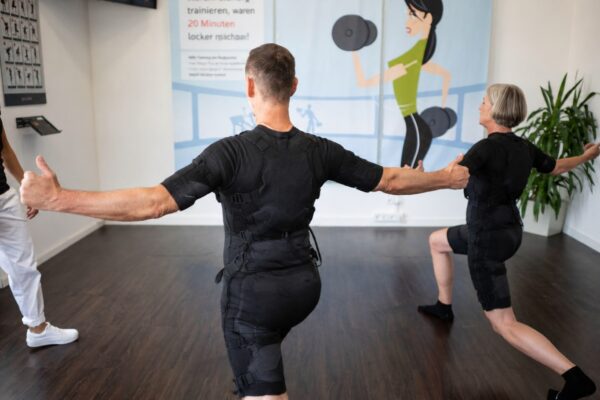
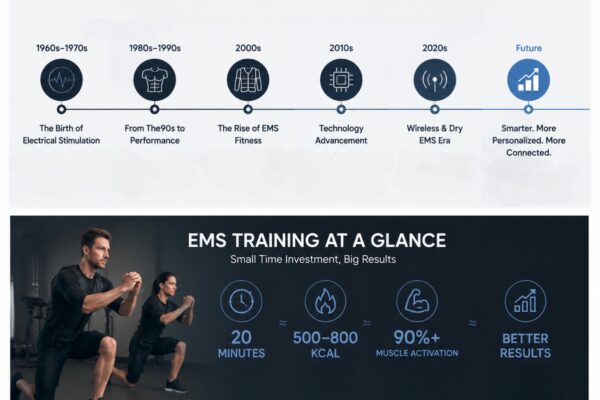
EMS sessions are usually much shorter. Many professional EMS studios use approximately 20-minute sessions, because the electrical stimulation allows multiple muscle groups to work simultaneously.
A 2025 randomized study compared whole-body EMS training with traditional resistance training. Participants using EMS trained only 20 minutes per week, while the resistance training group performed approximately two 60-minute sessions per week. After 10 weeks, both groups achieved similar improvements in strength performance.
This does not mean 20 minutes of EMS equals several hours of traditional exercise in every situation. However, it demonstrates that EMS can be a time-efficient option for people who struggle to maintain long gym sessions.
EMS Can Improve Strength Without Heavy Loads
Traditional strength training usually depends on progressively increasing external resistance:
- Dumbbells
- Barbells
- Weight machines
While effective, heavy resistance is not suitable for everyone.
Some people may have limitations because of:
- Joint discomfort
- Lack of training experience
- Recovery requirements
- Limited access to equipment
EMS training creates additional muscle contractions without requiring extremely heavy weights.
In a randomized controlled study comparing WB-EMS with high-intensity resistance exercise, both groups showed improvements in lean body mass and muscle strength after a 16-week program, with no significant difference between groups. Researchers concluded that WB-EMS can be considered a time-efficient option for improving general strength and body composition.
For beginners, busy professionals, and people returning to exercise, this lower-load approach can be attractive.
EMS Provides Personalized Training Control
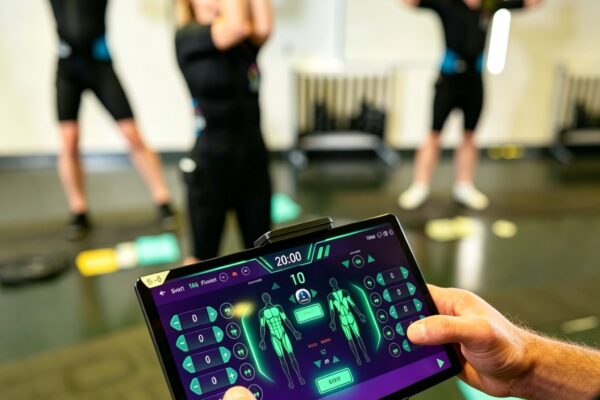
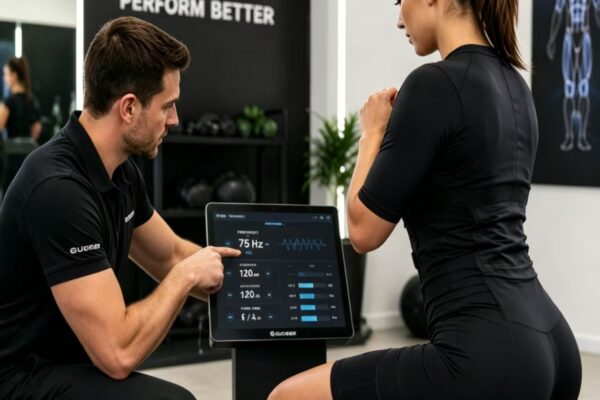
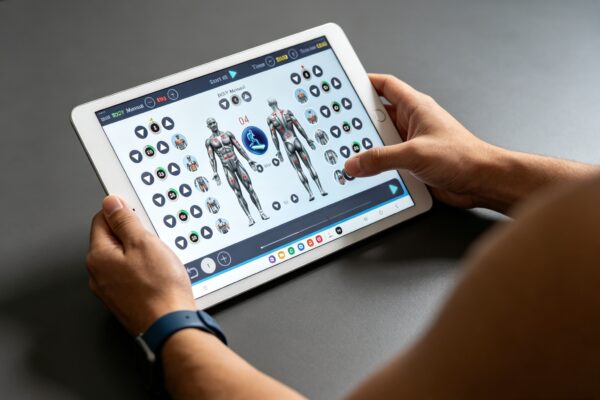
Modern EMS systems allow trainers to adjust stimulation parameters based on individual needs.
Important settings include:
Frequency (Hz)
Controls how muscles respond to stimulation.
Intensity (mA)
Determines contraction strength.
Pulse duration
Controls stimulation time.
Individual muscle channels
Allows different areas to receive different stimulation levels.
This makes EMS suitable for personalized training programs rather than a one-size-fits-all workout.
For example:
- A beginner may use lower intensity settings.
- An athlete may focus on stronger muscle activation.
- A rehabilitation client may require controlled stimulation.
EMS Helps Improve Training Efficiency for Busy Professionals
The modern fitness market is changing.
Many customers are not looking for two-hour gym sessions. They want:
- Faster workouts
- Professional guidance
- Efficient results
- Personalized experiences
This is why EMS has become increasingly popular in boutique fitness studios, personal training centers, and wellness facilities.
A 20-minute EMS session fits easily into a busy schedule, making it attractive for:
- Office workers
- Entrepreneurs
- Frequent travelers
- Parents with limited free time
Instead of asking:
“How can I spend more time training?”
Many people are asking:
“How can I get better training efficiency within limited time?”
EMS is designed around this modern demand.
EMS and Traditional Training Should Work Together
Although EMS has many advantages, it should not be viewed as a complete replacement for traditional exercise.
Traditional resistance training remains highly valuable for:
- Maximum muscle hypertrophy
- Bone density improvement
- Sports-specific performance
- Skill development with heavy loads
EMS works best as:
- A time-efficient fitness solution
- A supplement to strength training
- A tool for personalized programs
- An option for people who need lower-load training methods
The future of fitness is likely not about choosing between EMS and traditional training.
Instead, the industry is moving toward hybrid training systems that combine technology, coaching, and functional exercise.
| Feature |
EMS Training |
Traditional Training |
| Training time |
About 20 minutes/session commonly used in studios |
Usually 45–90 minutes |
| Muscle activation |
Multiple muscle groups simultaneously |
Usually targeted muscle groups |
| Equipment |
EMS suit + control system |
Weights/machines/bodyweight |
| Load requirement |
Low external load |
Progressive resistance |
| Personalization |
Digital intensity adjustment |
Trainer/manual adjustment |
| Suitable users |
Busy professionals, beginners, rehabilitation clients |
General fitness population, athletes |
| Best advantage |
Time efficiency |
Maximum strength development |
The Future of Fitness: Smarter Training, Not Longer Training
EMS represents a shift from traditional “more time equals better results” thinking toward a smarter training philosophy.
The goal is no longer simply spending more hours in the gym.
The future of fitness is about:
- More precise muscle activation
- More personalized programs
- Better use of technology
- Higher training efficiency
For fitness clubs, EMS studios, and professional trainers, this creates new opportunities to provide premium training experiences.
EMS does not replace traditional exercise — it enhances the possibilities of modern fitness.
As technology continues to develop, EMS will likely become an important part of the next generation of intelligent training solutions.
References
1.Grgic V. et al. Comparative Efficiency of Whole-Body Electromyostimulation and Resistance Training in Enhancing 1-Repetition Maximum, Journal of Functional Morphology and Kinesiology, 2025.
2.Kemmler W. et al. Effects of Whole-Body Electromyostimulation versus High-Intensity Resistance Exercise on Body Composition and Strength, Evidence-Based Complementary and Alternative Medicine, 2016.
3.Qin Y. et al. Effects of whole-body electromyostimulation training on upper limb muscles strength and body composition, Frontiers in Public Health, 2022.