Understanding Motor Points, Muscle Anatomy, and Proper Electrode Positioning for Effective EMS Training
Electrical Muscle Stimulation (EMS) technology has become increasingly popular in fitness training, rehabilitation, and sports performance because it allows external electrical impulses to activate muscle fibers more efficiently.
However, one of the most overlooked factors affecting EMS performance is electrode placement.
Even with advanced EMS devices, incorrect electrode positioning may result in uneven stimulation, reduced muscle contraction, unnecessary discomfort, or poor training feedback.
So how can we achieve more accurate muscle activation?
The answer lies in understanding muscle anatomy, motor points, and correct electrode positioning techniques.
What Determines EMS Muscle Activation Accuracy?
EMS works by sending controlled electrical impulses through surface electrodes to stimulate motor nerves connected to skeletal muscles.
When the electrical signal reaches the correct area, it triggers muscle contraction by activating motor units — groups of muscle fibers controlled by a single motor neuron.
The effectiveness of EMS stimulation depends on several key factors:
- Electrode position
- Contact quality between electrode and skin
- Stimulation intensity
- Muscle condition
- Individual anatomical differences
Among these factors, electrode placement is one of the most important variables.
Scientific research has shown that positioning electrodes closer to the muscle’s motor point can improve stimulation efficiency, allowing stronger muscle responses with lower current intensity and better user comfort.
Understanding Muscle Motor Points: The Key to Precise EMS Training
A motor point is an area on the skin where the underlying motor nerve enters the muscle and where the muscle is most electrically responsive.
Simply speaking:
The motor point is the “most sensitive connection area” between electrical stimulation and muscle contraction.
When an EMS electrode is positioned near this area:
✓ Muscle activation becomes more efficient
✓ Less electrical intensity may be required
✓ Contraction quality improves
✓ Training feels more natural
Research on neuromuscular electrical stimulation indicates that targeting motor points can maximize evoked muscle tension while reducing discomfort compared with random electrode placement.
Basic EMS Electrode Placement Principles
Place Electrodes Along the Muscle Belly
The muscle belly is the thickest and most active part of a muscle.
For example:
Quadriceps Training
The electrodes should generally cover the main muscle groups:
- Vastus lateralis (outer thigh)
- Vastus medialis (inner thigh)
- Rectus femoris (front thigh)
Correct placement helps stimulate the entire quadriceps group instead of activating only a small section.
Biceps Training
Recommended positioning:
- One electrode near the upper portion of the biceps muscle
- One electrode along the central muscle belly
Avoid placing electrodes directly over joints or areas with little muscle tissue.
Abdominal Training
For abdominal EMS:
- Electrodes should follow the direction of the rectus abdominis and oblique muscles
- Placement should remain symmetrical between the left and right sides
Because abdominal muscles vary significantly between individuals, small adjustments may improve activation quality.
Common EMS Electrode Placement Mistakes
Mistake 1: Placing Electrodes Too Close to Joints
Areas such as:
contain less muscle tissue and may produce weaker stimulation.
Better placement:
Move slightly toward the muscle belly where more motor units are available.
Mistake 2: Using Anatomical Charts Without Adjustment
Many EMS users simply follow a standard body diagram.
However, human anatomy varies.
Factors such as:
- Muscle size
- Body shape
- Training history
- Fat distribution
can affect the exact location of the most responsive stimulation area.
Professional EMS systems often require small adjustments during fitting to achieve optimal contact and activation.
Mistake 3: Ignoring Skin Contact Quality
Electrical stimulation requires efficient signal transmission.
Before EMS training:
- Keep skin clean
- Avoid excessive oil or lotion
- Ensure electrodes fit tightly against the body
- Maintain proper moisture when required by the electrode technology
Poor contact can increase resistance and reduce stimulation consistency.
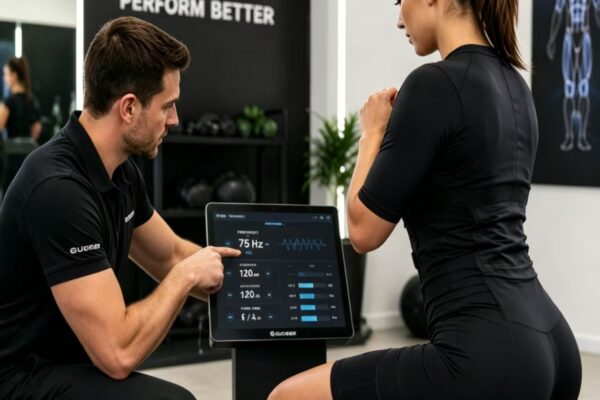
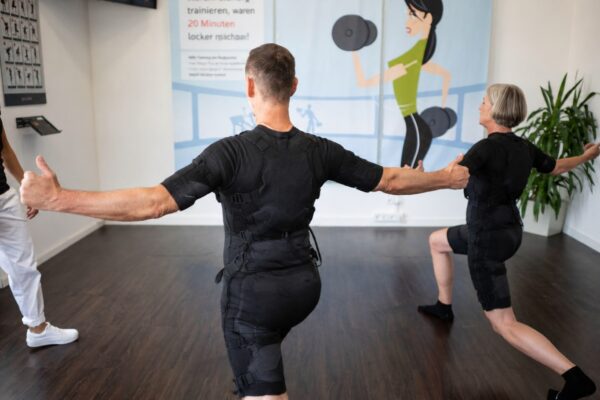
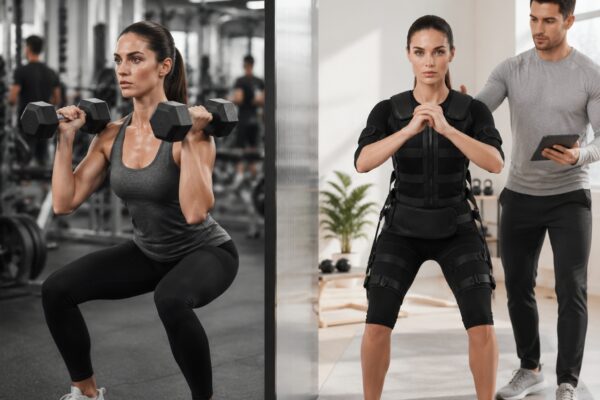
EMS Training Suit Electrode Placement: Why Precision Matters
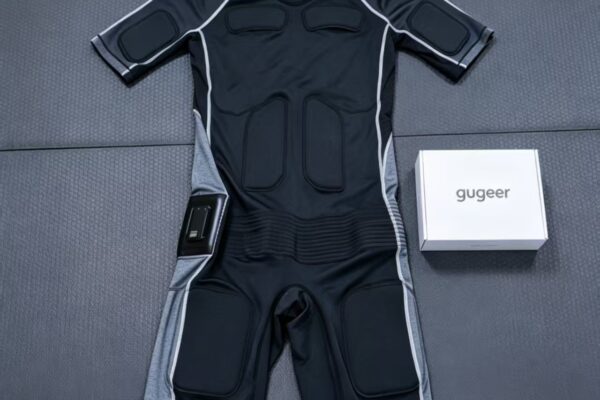
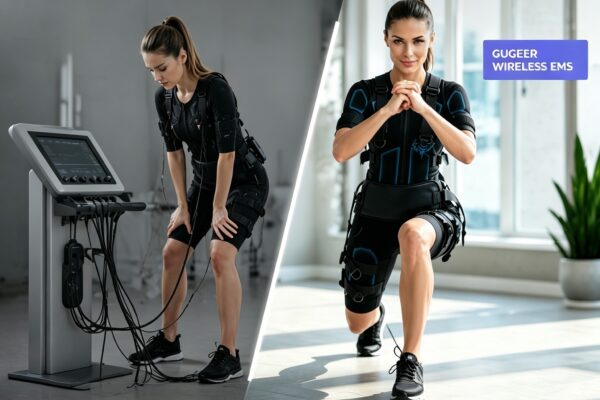
Modern full-body EMS suits are designed differently from traditional adhesive electrode pads.
Instead of placing individual pads manually every session, EMS suits integrate multiple electrode zones into a wearable garment.
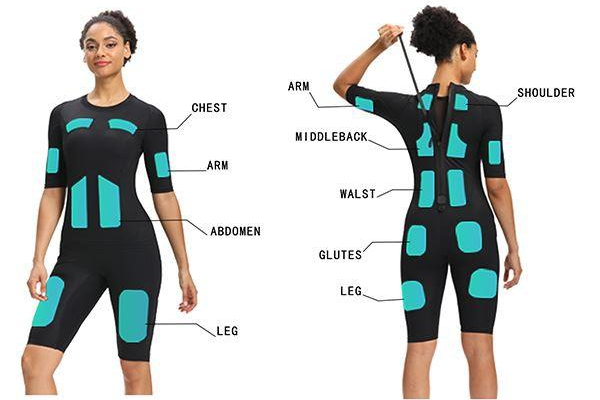
A professional EMS suit typically covers major muscle groups including:
- Chest
- Back
- Abdomen
- Gluteus
- Arms
- Thighs
The challenge is ensuring that each electrode zone aligns correctly with the user’s anatomy.This is why high-quality EMS training systems focus on:
- Adjustable electrode positioning
- Ergonomic garment design
- Stable skin contact
- Consistent stimulation distribution
A well-designed EMS suit should allow users to achieve balanced stimulation across multiple muscle groups while maintaining comfort during movement.
How to Improve EMS Activation Before Training
A few simple preparation steps can significantly improve EMS training quality.
Warm Up the Body
Light movement before EMS training can increase blood circulation and prepare muscles for activation.
Examples:
- Dynamic stretching
- Bodyweight squats
- Arm circles
- Light mobility exercises
Maintain Proper Hydration
Because electrical signals travel through body tissues, hydration status can influence electrical conductivity.Drinking enough water before training may help improve stimulation consistency.
Start With Moderate Intensity
Higher intensity does not always mean better results.
A more effective approach:
- Begin with a comfortable stimulation level
- Allow muscles to adapt
- Gradually increase intensity
- Maintain controlled contractions
Quality of activation is more important than simply increasing power.
EMS Electrode Placement Checklist
Before every EMS session, check:
✓ Are electrodes positioned over the target muscle groups?
✓ Is the electrode contact stable?
✓ Does stimulation feel balanced on both sides of the body?
✓ Are contractions smooth rather than uncomfortable?
✓ Is intensity increased gradually?
Small adjustments can significantly improve training feedback.
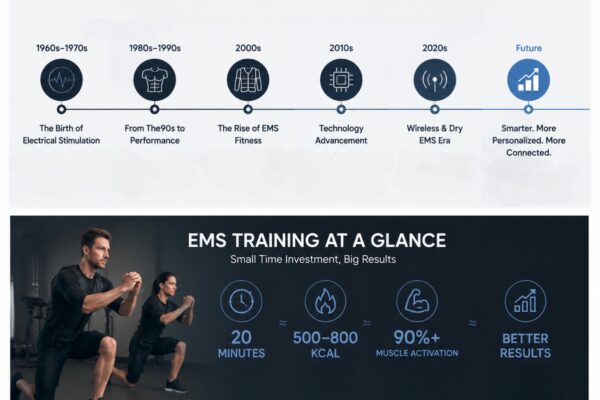
The Future of EMS Training: From Electrical Stimulation to Intelligent Muscle Activation
EMS technology is moving beyond simple electrical impulses.
Modern EMS systems are combining:
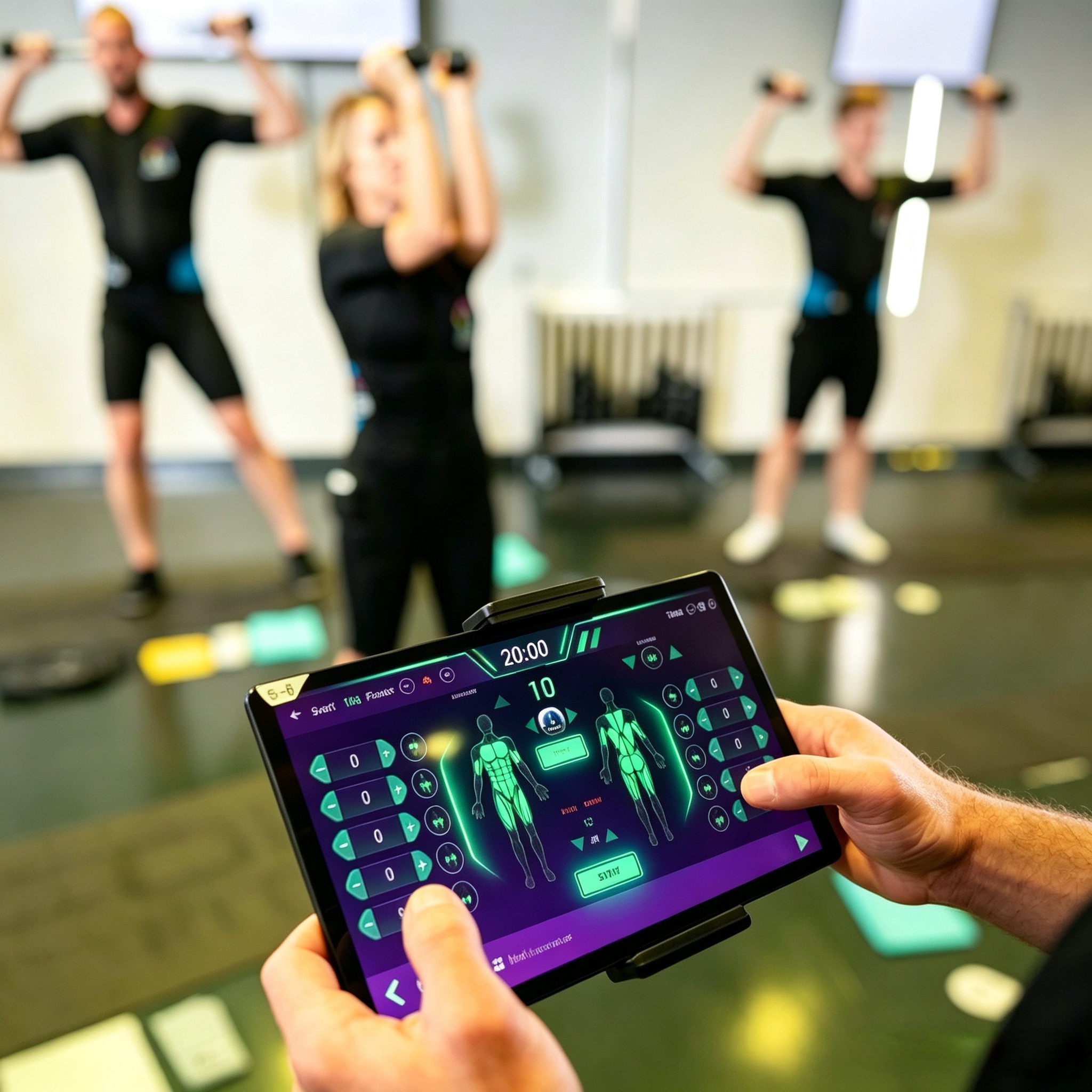
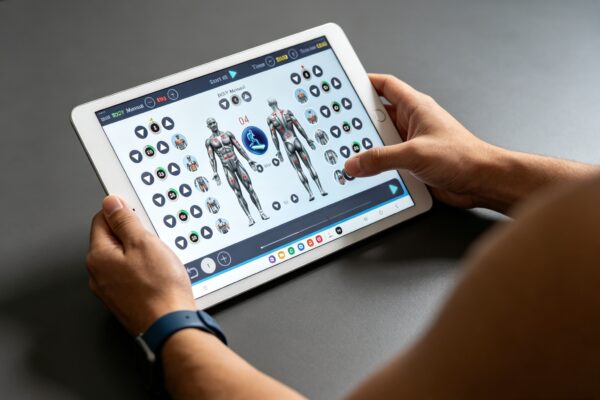
- Smart control software
- Real-time intensity adjustment
- Digital training programs
- Improved electrode materials
- Personalized stimulation settings
The goal is not just stronger stimulation, but more accurate, safer, and more efficient muscle activation.
For professional EMS fitness studios, rehabilitation centers, and sports performance facilities, precise electrode placement remains one of the foundations of successful EMS training.