Understanding the Real Benefits, Limitations, and Science Behind EMS Training
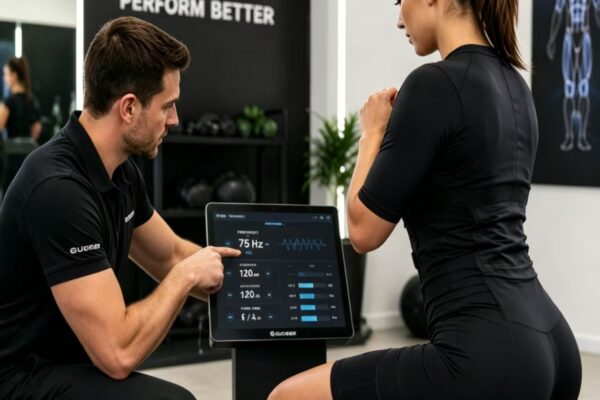
Over the past few years, EMS training suits (Electrical Muscle Stimulation suits) have gained popularity in boutique fitness studios, rehabilitation centers, and personal training facilities worldwide.
The concept sounds impressive: wear a smart EMS suit, complete a short workout session, and stimulate multiple muscle groups at the same time through electrical impulses.
But a common question remains:
Do EMS training suits really work, or are they just another fitness trend?
The answer is more balanced than many advertisements suggest.
Scientific research shows that whole-body EMS (WB-EMS) can improve muscle activation, strength, and body composition when combined with proper exercise, but it is not a replacement for traditional training, healthy nutrition, or consistent lifestyle habits.
EMS is a powerful training tool — not a shortcut.
What Is an EMS Training Suit and How Does It Work?
EMS stands for Electrical Muscle Stimulation.
During traditional exercise, your brain sends electrical signals through your nervous system to activate muscles.
The process is:
Brain → Nerves → Muscle contraction → Movement
EMS training adds an external stimulation source:
EMS device → Electrical impulses → Nerve stimulation → Muscle contraction
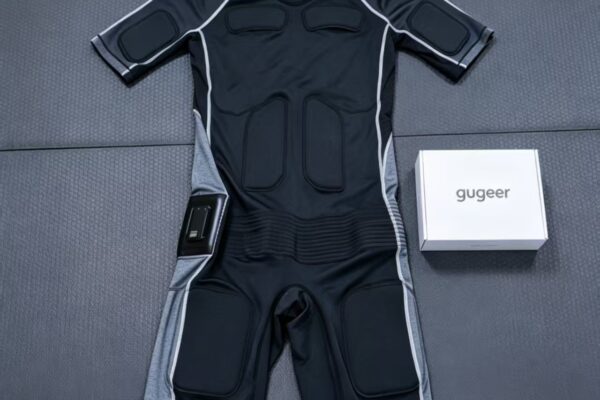
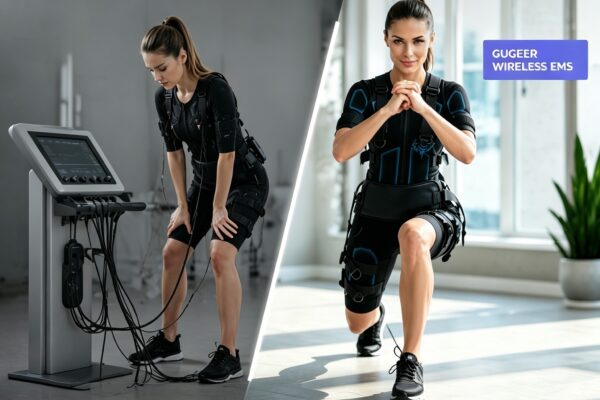
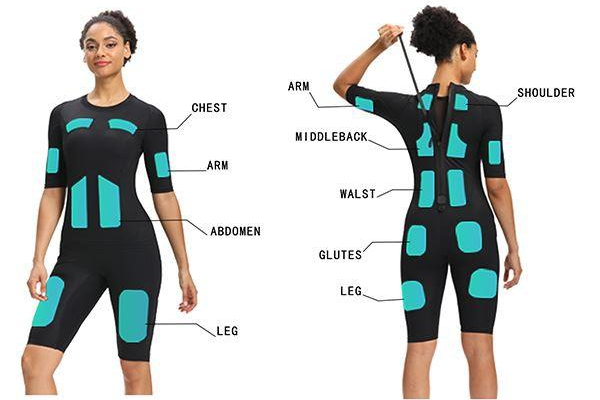
Modern EMS training suits are designed with integrated electrode zones positioned over major muscle groups, including:
- Chest muscles
- Back muscles
- Abdominals
- Glutes
- Quadriceps
- Hamstrings
- Arms
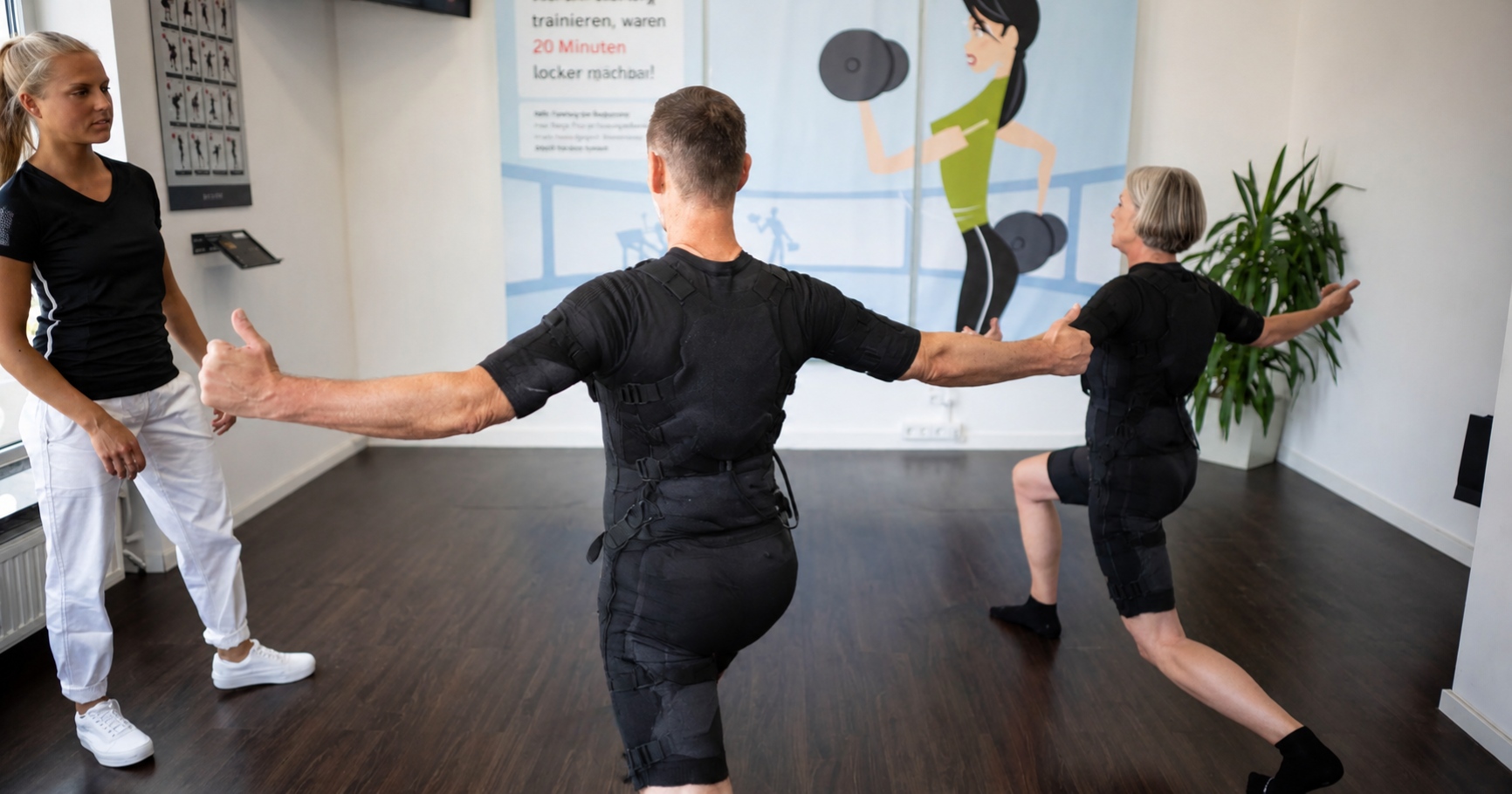
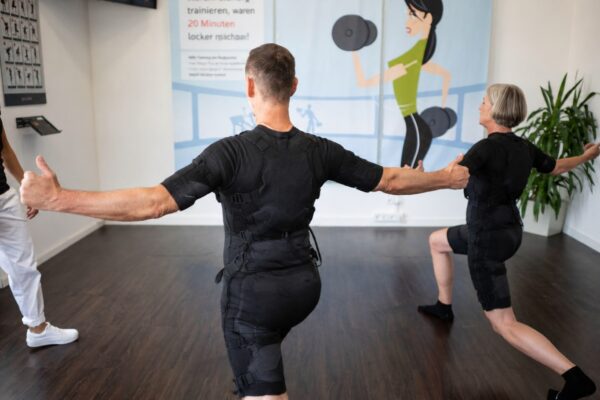
During a workout, the EMS system sends controlled low-frequency electrical impulses to these areas while the user performs active movements such as:
- Squats
- Lunges
- Core exercises
- Functional movements
This combination creates a more comprehensive muscle activation experience.
The Real Benefits of EMS Training Suits
Improved Muscle Activation
One of the biggest advantages of EMS training is its ability to increase muscle stimulation.
Some muscles are difficult to fully activate during normal daily activities, especially for people who spend many hours sitting.
Common examples include:
- Weak glute activation
- Poor core engagement
- Reduced muscle recruitment caused by inactivity
EMS stimulation helps recruit additional muscle fibers by activating motor nerves directly.
A systematic review and meta-analysis published in 2021 analyzed 16 studies involving 897 participants and found that whole-body EMS had positive effects on muscle mass and strength development, particularly when combined with exercise. However, the impact on reducing body fat was limited.
Source: PubMed – Whole-body electromyostimulation systematic review
For beginners, older adults, and people returning to exercise, improved muscle activation can be especially valuable.
Efficient Training for Busy People
One of the main reasons EMS has become popular is efficiency.
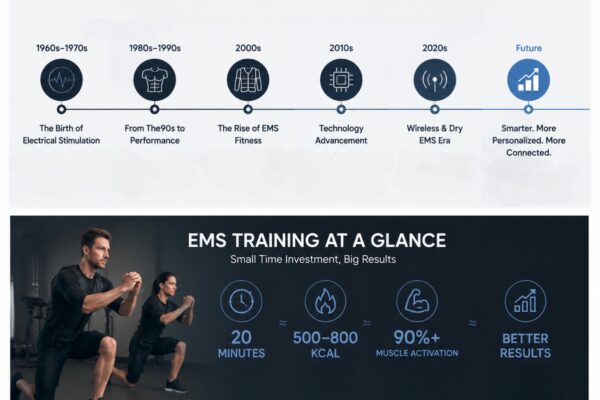
A typical EMS session usually lasts around:
20 minutes
Compared with traditional workouts that may require 60–90 minutes, EMS allows users to train multiple muscle groups simultaneously.
For professionals with limited time, EMS can provide an efficient solution.
Examples include:
- Business professionals
- Entrepreneurs
- Frequent travelers
- People with demanding schedules
However, the benefit is not that “20 minutes magically equals several hours of exercise.”
The advantage comes from:
Simultaneous muscle stimulation + active movement + structured coaching
rather than replacing normal physical activity.
Support for Rehabilitation and Muscle Recovery
EMS technology has been used in rehabilitation settings for decades.
Medical and physical therapy applications include:
- Preventing muscle loss during periods of inactivity
- Supporting muscle reactivation after injury
- Improving neuromuscular control
For example, when someone cannot fully activate a muscle after surgery or injury, electrical stimulation can help maintain muscle function.
However, EMS fitness suits should not be considered medical treatment devices.
People recovering from injuries should always follow professional guidance.
Potential Improvements in Strength and Body Composition
Research suggests EMS can contribute to improvements in:
- Muscle strength
- Lean muscle mass
- Physical performance
A randomized controlled study comparing whole-body EMS with resistance training found that both approaches produced improvements in muscle mass and strength after a structured training period.
Source: PMC – Effects of Whole-Body Electromyostimulation Training
However, muscle development still depends on several factors:
- Progressive training
- Adequate protein intake
- Recovery
- Consistency
EMS enhances the training stimulus — it does not replace the fundamentals of fitness.
What EMS Training Suits Cannot Do?
EMS Does Not Automatically Burn Fat
One of the biggest misconceptions about EMS is that it can create effortless weight loss.
This is not scientifically accurate.
Fat loss mainly depends on:
- Calorie balance
- Nutrition
- Regular physical activity
- Long-term lifestyle habits
Current research suggests WB-EMS may improve muscle-related outcomes, but evidence for significant fat loss remains limited.
Source: Frontiers in Physiology – Whole Body EMS Research Review
EMS can support a fitness program, but it cannot replace proper nutrition and exercise habits.
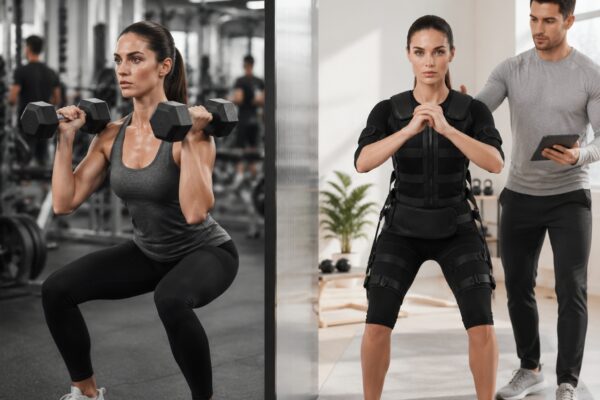
EMS Cannot Fully Replace Traditional Strength Training
Traditional resistance training provides benefits beyond muscle contraction.
It also develops:
- Coordination
- Balance
- Joint stability
- Movement technique
- Bone-loading capacity
For example, a barbell squat trains not only the legs but also:
- Body control
- Stability
- Functional movement patterns
EMS mainly focuses on muscle stimulation.
Therefore, professional athletes, strength competitors, and advanced fitness users often use EMS as a complementary tool rather than a replacement.
Higher Intensity Is Not Always Better
A common mistake among new EMS users is assuming:
More electrical intensity = better results
This is not necessarily true.
Excessive stimulation may increase:
- Muscle soreness
- Fatigue
- Recovery time
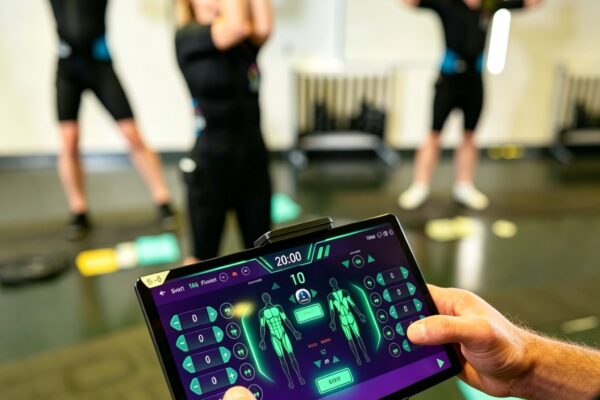
Professional EMS training requires:
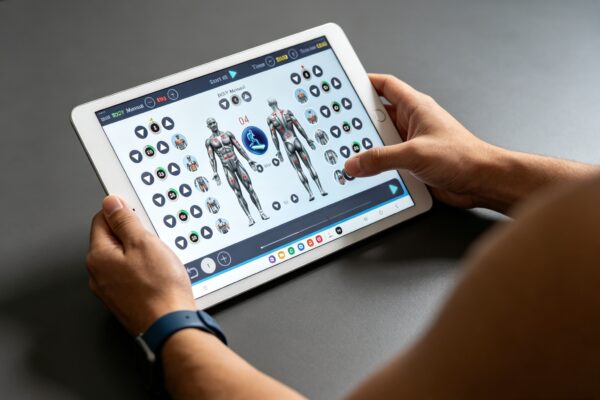
- Proper intensity adjustment
- Correct electrode placement
- Controlled training frequency
The FDA also highlights that electrical stimulation devices should be used correctly, as improper use may cause risks such as skin irritation or discomfort.
Who Can Benefit From EMS Training?
EMS training may be suitable for:
Busy Professionals
People who want efficient workouts with limited available time.
Fitness Beginners
EMS can help beginners understand muscle activation and build exercise confidence.
Sedentary Individuals
People who spend long hours sitting may benefit from improved muscle engagement.
Rehabilitation Support Users
Under professional supervision, EMS can support recovery programs.
Fitness Studios and Personal Training Centers
EMS provides opportunities for:
- Premium personal training services
- Time-efficient workout programs
- Customized fitness experiences
Who Should Be Careful With EMS?
EMS training is not suitable for everyone.
People should seek professional advice before using EMS if they have:
- A pacemaker or implanted electronic device
- Serious cardiovascular conditions
- Epilepsy
- Pregnancy
- Acute injuries
Safety and professional guidance are essential.
The Right Way to Understand EMS Training
EMS is not a replacement for exercise.
It is better understood as:
A technology that enhances muscle stimulation and improves training efficiency.
The best results come from combining EMS with:
✔ Active movement
✔ Professional coaching
✔ Balanced nutrition
✔ Consistent training habits
Final Thoughts: Is an EMS Training Suit Worth It?
So, does an EMS training suit really work?
Yes — when used correctly.
EMS training can:
✅ Improve muscle activation
✅ Support strength development
✅ Save training time
✅ Add value to fitness and rehabilitation programs
But it cannot:
❌ Replace exercise completely
❌ Create instant fat loss
❌ Replace healthy lifestyle habits
The future of EMS is not about replacing traditional fitness.
It is about combining smart technology, efficient training methods, and professional guidance to create a more personalized fitness experience.
For modern gyms, rehabilitation centers, and personal training studios, EMS represents a new generation of intelligent training solutions — when technology is applied in the right way.